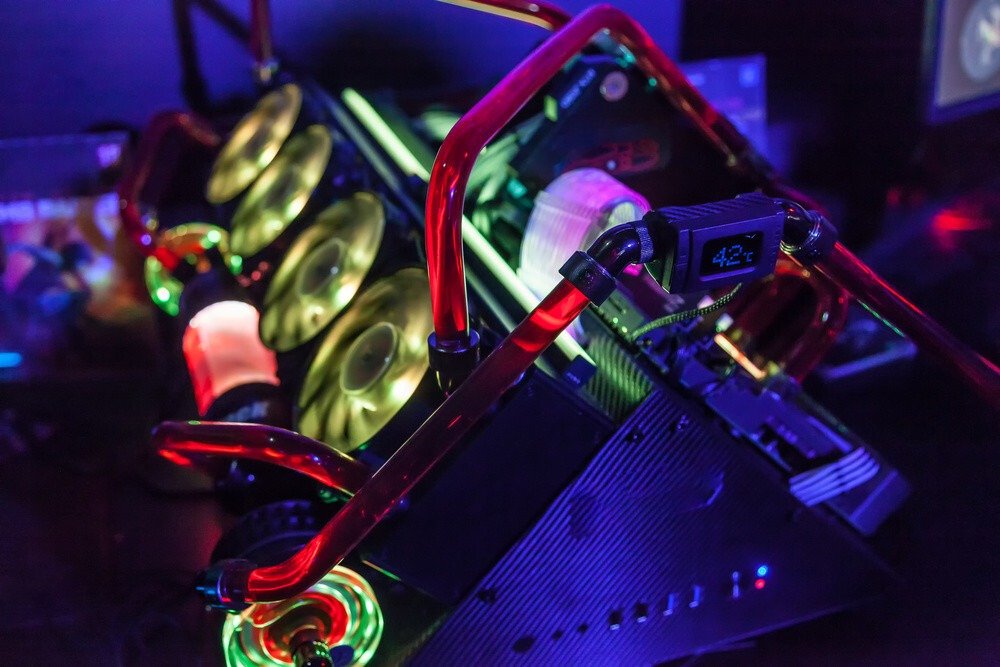
Diving into the world of hardware can quickly become confusing when it comes to choosing or optimizing your computer equipment. The market is constantly evolving, driven by the latest hardware innovations, while individual needs change rapidly. What can you do when your budget is limited and you need to combine performance with environmental responsibility? This guide provides practical insights, whether you're a student, a young professional, or simply concerned about consuming your high-tech equipment more responsibly.
What criteria should be considered when assembling a PC?
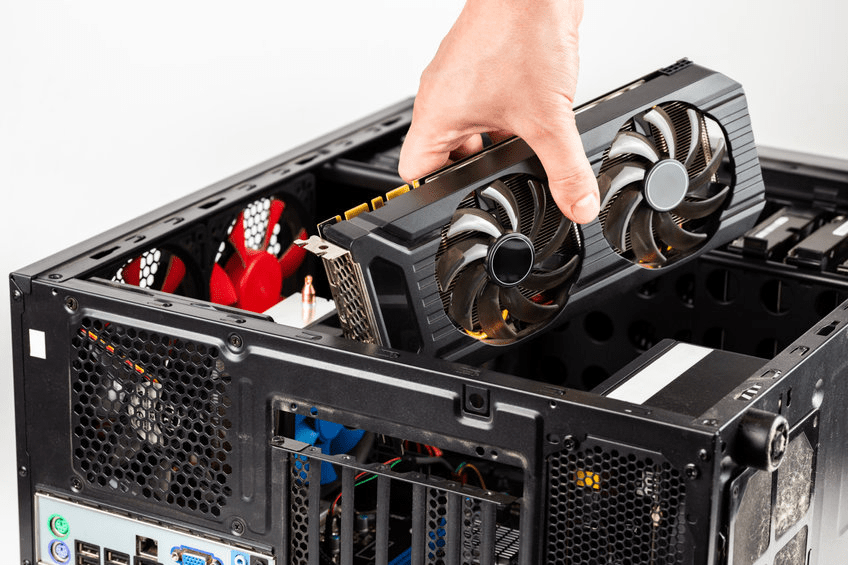
Building your own computer is no longer just for enthusiasts. Many see it as an economical and flexible solution, capable of handling both office work and gaming. For those looking for innovative options, Next Mobiles can be an interesting alternative. But what should you focus on? A PC buying guide helps you pinpoint what really matters and anticipate common problems.
Choosing the right PC components is crucial, as it determines not only the final cost but also the longevity of your investment. Every component is important: processor (CPU), graphics card (GPU), RAM/memory, SSD or HDD storage, as well as the motherboard, power supply , and cooling system. Everything must be compatible to ensure a smooth experience and allow your system to grow with your needs.
Why optimize your PC components?
PC optimization begins with component selection and continues with efficient management of ventilation and energy consumption. For example, pairing a high-performance processor with an entry-level graphics card will inevitably limit performance. Therefore, it's crucial to balance each component.
Optimizing your PC assembly not only saves money in the long run but also reduces electronic waste associated with premature device replacement. A few simple tips can help: regularly replace thermal paste, add quieter fans, or update your motherboard's BIOS to extend the lifespan of your machine.
What impact will it have on the environment and the budget?
The price of a new smartphone or a high-end PC can be a significant expense, especially for students or young professionals. Investing wisely then becomes crucial, particularly if you want to reduce your environmental footprint. Choosing less frequent but more thoughtful purchases is also a way to help the planet: repairing, reusing, or recycling old PC components are all worthwhile actions.
Other consumption models are gaining ground, notably renting high-tech equipment or buying refurbished. These alternatives allow you to enjoy the latest innovations without breaking the bank. Renting also offers welcome flexibility: ideal for keeping up with evolving needs or avoiding the accumulation of unnecessary devices.
How to find the best alternatives?
Exploring different equipment options opens up new perspectives. Loans, long-term rentals, exchanges, or using specialized platforms can broaden your choices. Sometimes, simply making small changes to your habits is enough to see immediate effects on both your budget and your carbon footprint.