
The player sees a scroll, a card, an enemy move, or a reward. Behind the image, a calculation determines the next event according to precise rules. The RNG doesn't turn the game into magic. It adds a controlled element of chance.
Before the first round, it's best to look at the rules
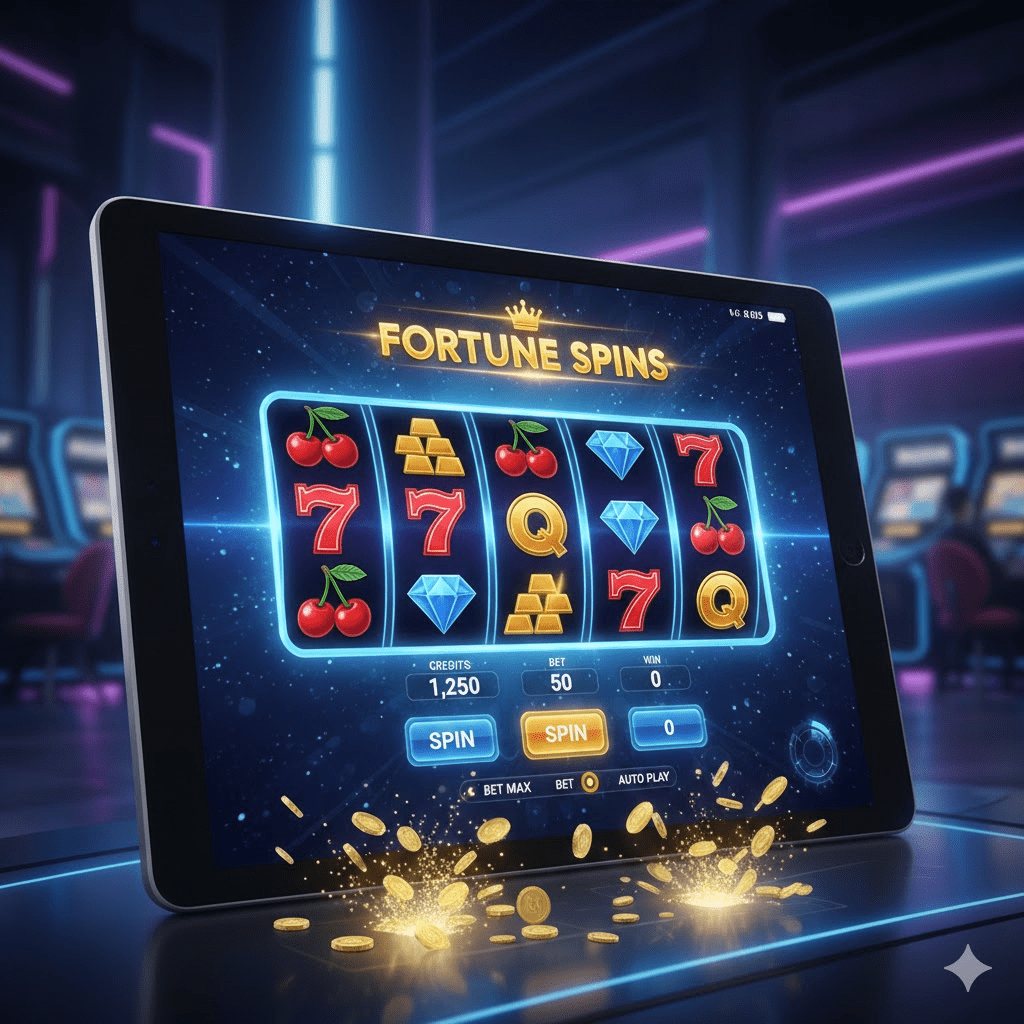
In casino games, randomness is immediately apparent. A card appears, a reel stops, and the result is revealed in seconds. Before playing, it's therefore best to check the rules, the paytable, and how a round unfolds. Before registering, nettikasino.com can serve as a reference point for reviewing the games, terms and conditions, and payment methods.
A player quickly notices when the basics aren't clear. What happens after a click? Can you still interrupt a turn? At what point is the result locked? When this information is easily found, randomness seems like part of the game instead of a hidden mechanism.
RNG exists far beyond casino games. In a role-playing game, it can determine which item drops after a fight. In a strategy game, a shot might miss its target even when the position seemed ideal. The player had already planned their route to a village, then a guarded bridge appears, the weather changes, or a path opens in the forest. The event seems spontaneous, even though the game generated it from a list of predetermined options.
Chance requires technique, not improvisation

A number generator produces values that the game uses to make decisions. The software doesn't roll a visible die, even though the animation gives that impression. It calculates a new value and then applies it to the game's rules.
A generated number can determine the position of symbols, the order of cards, or the appearance of a rare item. The previous result must not be used as a clue for the next. For the developer, this requires consistent logic: generating numbers accurately and applying them in the same way each turn.
Why almost the same result can look different
The player reacts not only to the outcome, but also to the moment it occurs. A rare card or an unexpected reward has a greater impact after several near misses. The brain remembers these deviations more easily than ordinary turns. This is why pacing is as important as randomness itself: the game must offer surprises without making the progression confusing.

Fairness is in the small details
Fair play isn't just about technical promises. Players evaluate it during gameplay. If events seem strange or the rules remain unclear, trust quickly wanes.
A good digital game provides ample information before you make a decision. It clearly states the bet, possible outcomes, and round conditions. The interface is also important, as a poorly placed button can ruin an otherwise well-designed system.
Before a longer session, it's best to check a few simple points:
- Rules. The rules of the game must be understood before any participation.
- Reward table. The reward structure should be easy to find.
- Speed of laps. A fast pace multiplies decisions in a short amount of time.
- Account history. Past actions should remain visible afterward.
- Limitations. Time and expense management must be accessible.
This verification process takes very little time. Yet it significantly changes the experience, because the player knows exactly what they're getting into. When information is visible at the right moment, chance no longer feels like an opaque button on the screen.
Probability is not just a school memory
Probability long time. The percentage matters, but so does the number of attempts. When the rules clearly explain this, the player can better understand randomness and avoid believing that a recent result predicts the next.
A good RNG still leaves a real place for the player
Chance remains healthier when the player keeps their own limits. They don't choose the next card or the next symbol, but they choose the game, the bet, the duration, and when to stop.
A reliable RNG can produce unpredictable results, while clear rules and a user-friendly interface prevent confusion. Before a long session, it's also a good idea to check access to customer support and troubleshooting instructions.