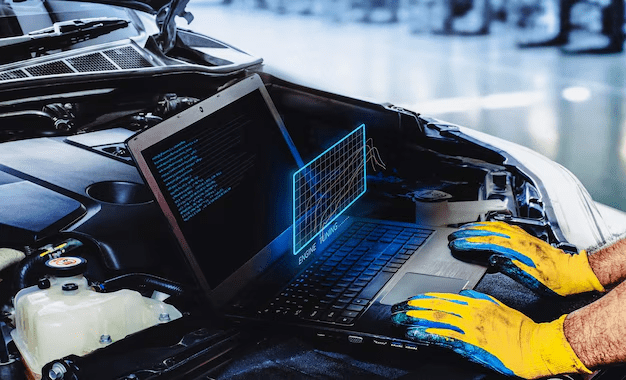
Today, cars have become computers on wheels rather than simple mechanical means of transport. When a vehicle is involved in an impact, the damage often goes beyond simply deforming a bumper or hood.
A modern wrecked car belongs to a completely different world than our old petrol or diesel clunkers. These days, meticulous planning is essential to prevent a repair project from turning into a minor electronic panic.
What needs to be taken into account when high technology meets accident?
Fractured microchips and modules
When a car is a smart, mobile device, replacing parts can sometimes feel like assembling a complex puzzle. Simply putting the mechanical components back in place isn't enough; you might then be surprised to find that electrical comfort features, like seat adjustments or parking assistance, no longer work. Extreme care must be taken with the electrical systems of wrecked vehicles: modern multiplexed systems don't tolerate crude repairs or incorrect wiring.
The car's "brain" is now distributed across several control modules. It's not just a matter of cut wires; new cars record error codes that appear as warning lights on the dashboard. The car "communicates" to signal that a specific system requires attention before the journey can safely resume. Reading the error codes is therefore the first step: it's the car's language, indicating precisely where the electronic problem lies.
Hard-hitting headlines
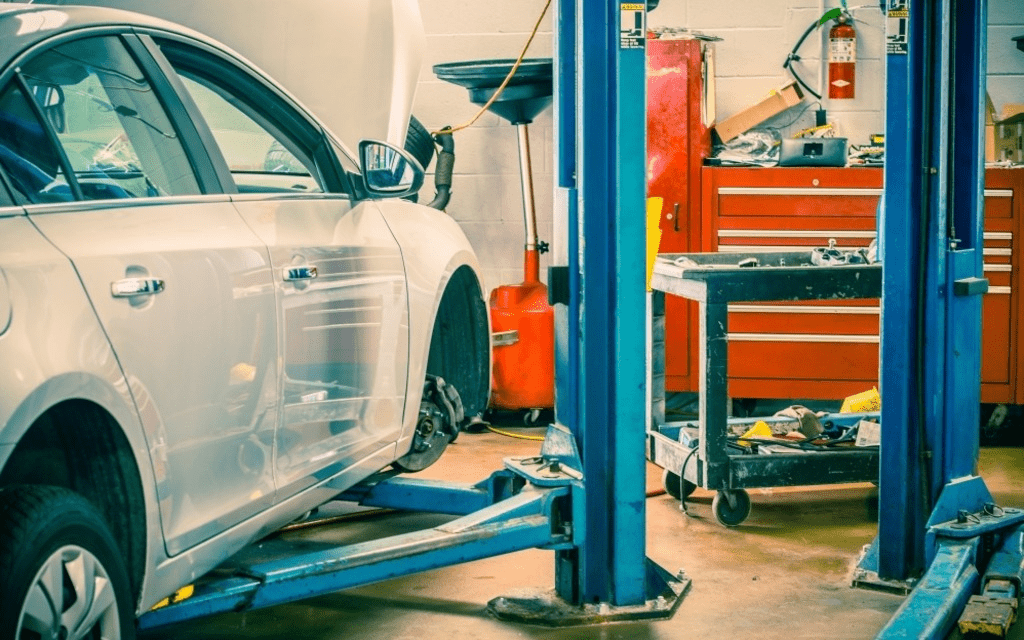
The news of the past year has revealed a harsh truth: repairing an electric car after a collision is about as easy on the wallet as getting a face full of sandblasting. It has been reported that insurance companies sometimes give up and declare electric vehicles a "total loss" far more readily than old wrecks. The reason? The infamous battery. If this "heart" of the car, which is also the most expensive component, suffers even the slightest scratch, the entire battery pack (worth tens of thousands of euros) is doomed to need replacing, because manufacturers don't allow targeted repairs.
The press also laments the shortage of specialized technicians; finding a true "electronics wizard" is like looking for a needle in a haystack, which lengthens repair times unbearably.
Fortunately, the training of electric vehicle repairers is being strengthened.
Some media outlets even go so far as to claim that the buyer of a wrecked electric car is either a bold visionary or a reckless gambler.
Security systems and the importance of calibration
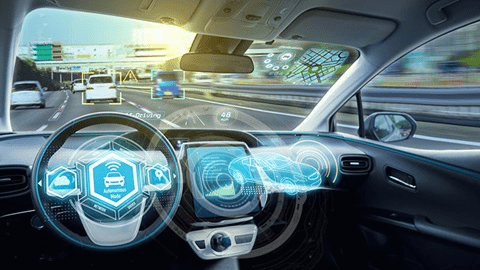
During the repair phase, it's crucial to understand that the software is just as important as the hardware. If, for example, the airbags have deployed, simply installing a new airbag isn't enough: the control units must also be reset or replaced, and the system synchronized. Seatbelt pretensioners and other safety devices are part of a complex system whose repair requires professional expertise and the right diagnostic tools.
Many are surprised to find that the damage isn't always visible on the surface. Even if the bumper appears undamaged, the radar and sensors hidden behind it may have shifted. If these ADAS (Advanced Driver Assistance Systems), such as lane departure warning or emergency braking, aren't recalibrated after repairs, the car can behave unpredictably. This isn't a "ritual," but a precise technical process to ensure the cameras and radar are correctly perceiving the outside world.
Tuning the orchestra: programming and final inspection
Disconnecting the battery or replacing parts often requires the systems to relearn their functions. A modern car is like an orchestra where every instrument must play in perfect harmony. If a new part isn't "introduced" to the central computer through programming, it may not work at all. In electric and hybrid cars, the communication between the battery and the engine management system is particularly critical.
The goal is for the car, after repairs, to be at least as intelligent and safe as it was before the accident. This involves thoroughly testing all critical systems. DIY tutorials on forums can help with changing a lightbulb, but for complex computer systems, it's best to rely on a professional who has access to official manufacturer updates and instructions.
Technology presents a challenge for mechanics, but it also ensures safety. When a damaged vehicle is repaired according to best practices, the result is a car you can trust. Remember, then, that repairs go far beyond the surface: the car's "brain" and its nervous system (the wiring harness) also need attention.