
Screens are everywhere: in our pockets, on our desks, in our kitchens, and even in our bedrooms. According to guidelines published by Public Health France, a French adult easily spends more than five hours a day in front of a screen other than television. Children, for their part, imitate the actions they see. It's only logical. The problem isn't the phone on the table, but the space it occupies during meals, sleep, homework, and quiet time. A rule that's too strict quickly breaks. A vague rule is almost useless.
For quick transactions, in this specific case, a prudent reader might want to check online casinos with Interac before spending any real money, especially if online entertainment is part of their evening budget. Balance is built on visible, repeated, and measurable choices, not on a grand promise made on Sunday and then forgotten on Tuesday.
The true cost of wasted minutes
Three minutes on a notification seems ridiculous. Then three more minutes pop up while doing homework, on the subway, between lines of an email. Twenty times that adds up to an hour. A whole hour.
An employee who checks their social media feed every 12 minutes loses track of their task. Their brain has to find the context, reread the sentence, and reopen the tab. This little detour is tiring. It also leads to working late and keeping the phone by the bed.
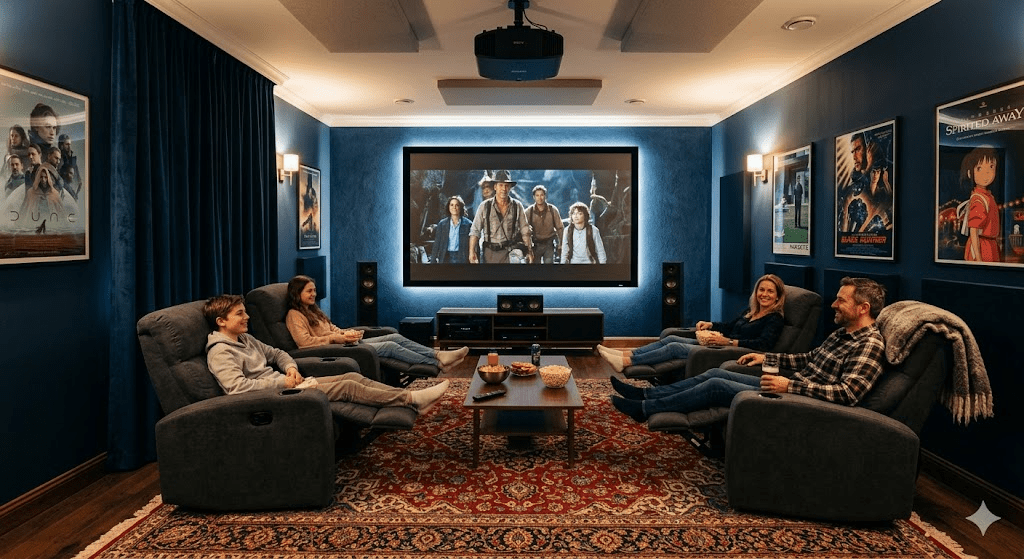
A simple method works better than a total ban. Families can choose two screen-free periods, before school and after dinner. The phone stays in a box, not in a pocket. The adults play along. Otherwise, the children will spot the exception in thirty seconds.
The tracking should remain simple. A notebook on the fridge is enough: sleep, mood, homework completed, time spent outdoors. If two entries worsen, the screen moves back one notch the next day. On Sunday evening, ten minutes of reflection avoids the need for rules invented in the heat of Monday.
Sleep, meals, and homework without blue fog
Evening often dictates the next day. The light from the screen, especially close to the face, delays sleep for many teenagers. Netflix at 10:45 p.m. feels like a break. The alarm clock, however, tells a different story.
The bedroom is better for being a bedroom again. A ten-euro alarm clock replaces the telephone. A charging point in the hallway removes temptation without much fuss. It's simple. And it works better than an argument at eleven o'clock.
For homework, sorting is necessary. A computer is used to look up a map, write a report, or upload a file to Pronote. TikTok doesn't help with learning capital letters. Parents can assign a specific task before the screen is turned on: twenty English words, five exercises, a cited source.
Mealtimes deserve the same clarity. Notifications are kept in the entryway. If a parent keeps their phone for work, they state the reason and the duration: ten minutes, then they put it down. The rule becomes credible.
Boundaries that hold without protest
A vague boundary leads to endless negotiations. "Five more minutes" becomes ten, then fifteen, then a scene in the hallway. A written boundary puts an end to it. It doesn't have to be harsh.
The ideal format fits on an A4 sheet of paper. On school days: thirty minutes of playtime after homework. On Wednesdays: one hour, if there has been sports or an outing. On weekends: a time slot chosen the day before. Nothing magical. Just a rule that no one changes when they're tired.
The built-in tools help, but they don't replace talking. Screen Time on iPhone and Digital Wellbeing on Android show the time spent on each app. The figures are sometimes surprising. A parent might think they're spending twenty minutes on social media; the screen displays an hour and forty minutes.
The punishment should remain relevant to the issue. If the console is used beyond the allotted time, it starts later the next day. There's no need to take away the bike, dessert, or a friend's birthday. A rule that addresses the problem seems fairer, and therefore is more likely to stick.
Connected work without a fragmented brain

At the office, the screen isn't the enemy. It's used for selling, writing, coding, scheduling deliveries, or chatting with a colleague in Lyon. The trap lies in the constant mixing of deep work and minor alerts. Slack rings. Outlook blinks. The phone vibrates.
A team can set response times instead of requiring continuous presence. For example, internal messages are handled at 10:00 AM, 2:00 PM, and 4:30 PM. Between these times, everyone works on their own case. Urgent matters are handled by a phone call, not fifteen messages marked "important.".
Meetings also benefit from being more streamlined. Thirty minutes, an agenda, a written decision at the end. If a meeting is only for reading a document, the document is distributed beforehand, and everyone writes down their comments. No one misses a meeting that's been avoided.
For freelancers, switching off requires a physical signal. Closing the computer isn't always enough. It's better to put away the mouse, turn off the desk lamp, and walk outside for five minutes. The body understands faster than the mind.
Digital leisure activities with a real place
A good balance doesn't preclude enjoyment. Games, series, video calls with grandparents and class groups all have their place. The question remains simple: what is the screen replacing at this precise moment? A workout? A shower? A conversation?
This question changes the tone. Instead of saying "put down your phone," a parent can say, "There are fifteen minutes left before we leave; choose a short video or save it for tonight." The child learns to calibrate, not just obey. It's slower. But it's solid.
Adults also need to examine their own automatic habits. Putting your phone face down while having coffee sends a stronger message than a long speech about mindfulness. Reading ten pages aloud in front of a teenager makes a difference. Preparing a meal without a podcast, sometimes, also makes a difference.
A balanced household retains some gray areas. Watching a game with the family on a Tuesday evening doesn't break the rule. Having the flu allows for more cartoons. The difference is evident in how the framework is re-established the next day.
Digital technology remains a tool, a leisure activity, sometimes a recurring expense, but never the hidden driver of the day. To help, some households display a list near the router: ball, book, shower, call a friend, five-minute tidy-up. It's not a punishment. It's a backup menu for when your thumb instinctively reaches for the icon on a gray late afternoon. Next step: choose a single screen-free period and try it for seven days.