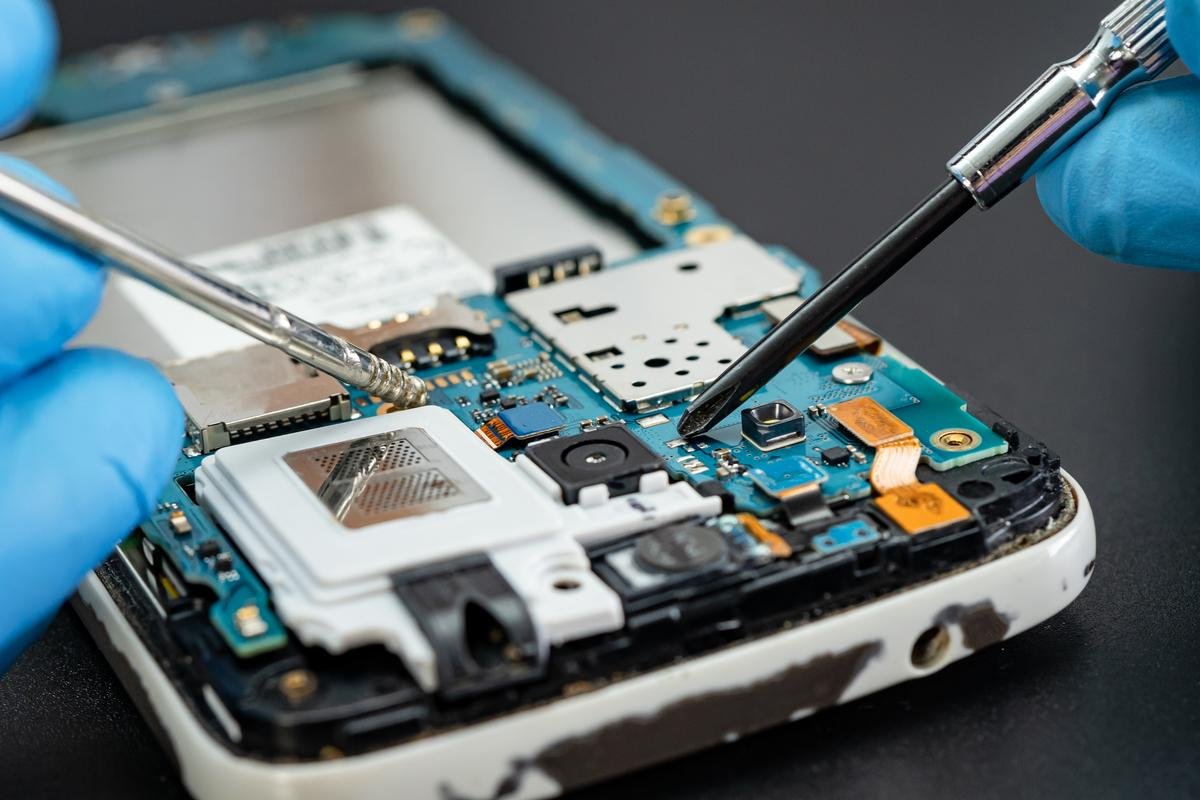
Is your smartphone broken or damaged , and you don't want to spend a fortune on professional repairs? You can try repairing it yourself with spare parts that you can find online or in specialized stores. This will save you money, extend the lifespan of your Android smartphone, and reduce your environmental impact.
But be warned, this operation is not without risk and requires a minimum of precautions and know-how . In this article, we will explain how to repair your smartphone yourself using spare parts, step by step.
What are the advantages and disadvantages of repairing your own smartphone?
Repairing your own smartphone has several advantages :
- You save on the cost of labor and travel expenses of a professional repairman.
- You can choose the spare parts that match your model and budget by comparing offers online or in stores.
- You extend the lifespan of your Android smartphone and avoid replacing it with a newer, more expensive and more polluting model.
- You are contributing to the reduction of electronic waste , which represents a major problem for the environment.
But repairing your smartphone yourself also has some drawbacks :
- You lose the manufacturer's warranty for your smartphone , which does not cover damage caused by unauthorized intervention.
- You risk further damaging your smartphone if you are not skilled enough or if you do not use the right tools or parts.
- You can lose your personal data if you have not made a backup beforehand or if you damage the internal memory of your smartphone.
- safety standards and precautions to avoid short circuits, electric shocks, or injuries.
What tools and parts are needed to repair a smartphone?
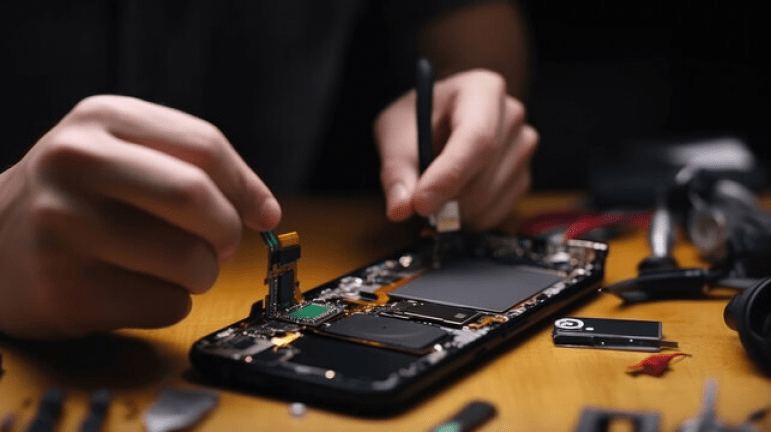
Before you begin repairing your smartphone, you will need to gather the necessary tools and parts. Here is a non-exhaustive list of items you will need:
- A screwdriver suitable for the type of screw on your smartphone (usually Torx or Pentalobe type).
- A suction cup or a spatula to lift the screen without breaking it.
- A guitar pick or a plastic card to unclip the internal connectors without damaging them.
- Tweezers or an extraction tool to remove screws, buttons, or delicate components.
- A soft cloth or an anti-static wipe to clean dust or fingerprints.
- A hairdryer or a heat gun to heat the glue that holds some parts in place.
- Latex or rubber gloves to avoid fingerprints or electrostatic discharge.
- Spare parts compatible with your smartphone model.
What are the steps to follow to repair your smartphone?
Once you have gathered all the necessary tools and parts purchased from a phone parts wholesaler , you can begin repairing your smartphone. Here are the steps to follow, depending on the type of problem you are experiencing:
The screen is broken or cracked
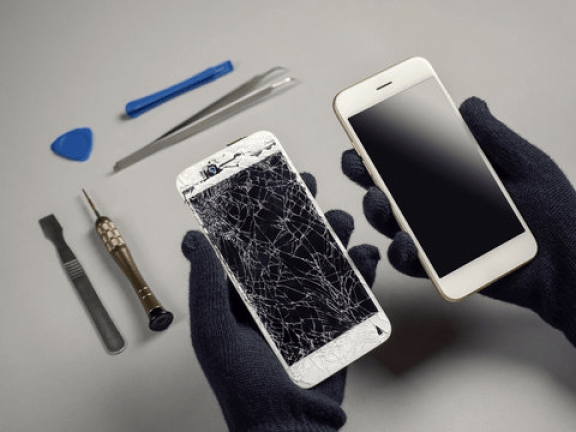
The screen is one of the most fragile and vulnerable parts of a smartphone. If your screen is broken or cracked , here's how to replace it:
- Turn off your smartphone and remove the SIM card and memory card if they are removable.
- Lightly heat the edges of the screen with a hairdryer or heat gun to soften the glue holding it in place.
- Place a suction cup on the screen and gently pull to lift it. Insert a guitar pick or plastic card into the gap and slide it all the way around the screen to detach it completely.
- Disconnect the monitor connector that links the LCD panel to the motherboard. Be careful not to damage any other components.
- Remove the broken screen and replace it with a new one. Reconnect the screen connector and secure it with special glue or double-sided tape.
- Turn on your smartphone and check that the screen is working properly.
The battery no longer holds a charge or is swollen
The battery is one of the most stressed and wear-prone parts of a smartphone . If your battery no longer holds a charge or is swollen, here's how to replace it:
- Turn off your smartphone and remove the SIM card and memory card if they are removable.
- Remove the back cover of your smartphone if it's clipped or screwed on. Otherwise, gently heat the edges of the back cover with a hairdryer or heat gun to soften the adhesive holding it in place. Place a suction cup over the back cover and gently pull to lift it. Insert a guitar pick or plastic card into the gap and slide it all the way around the back cover to detach it completely.
- Disconnect the battery connector that connects the battery to the motherboard. Be careful not to damage any other components.
- Remove the battery by lifting it out with a spudger or tweezers. If it is glued in place, gently heat the battery with a hairdryer or heat gun to soften the adhesive. Be careful not to puncture or deform the battery, as this can be dangerous.
- Replace the battery with a new one. Reconnect the battery connector and secure it with special glue or double-sided tape.
- Replace the back cover and clip or screw it in place. Turn on your smartphone and check that the battery is working properly.
The speaker or microphone is no longer working
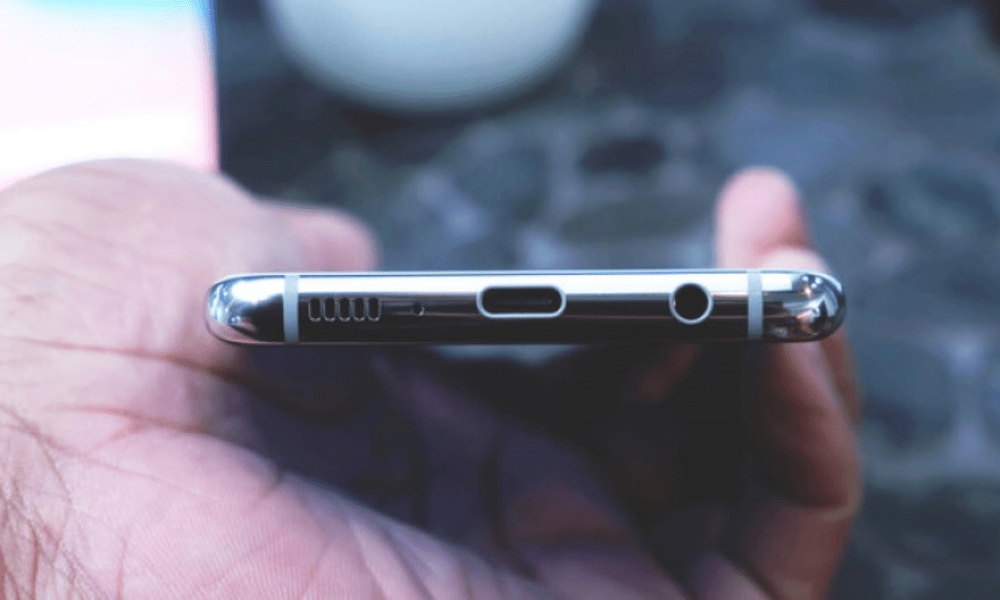
The speaker or microphone is one of the parts of a smartphone most exposed to moisture or dust . If your speaker or microphone stops working, here's how to replace it:
- Turn off your smartphone and remove the SIM card and memory card if they are removable.
- Remove the back cover of your smartphone if it's clipped or screwed on. Otherwise, gently heat the edges of the back cover with a hairdryer or heat gun to soften the adhesive holding it in place. Place a suction cup over the back cover and gently pull to lift it. Insert a guitar pick or plastic card into the gap and slide it all the way around the back cover to detach it completely.
- Unscrew the screws that hold the metal plate protecting the motherboard. Remove the metal plate by lifting it with a spudger or tweezers.
- Locate the speaker or microphone on the motherboard. It's usually a small black square with holes. Disconnect the speaker or microphone connector that connects the speaker or microphone to the motherboard. Be careful not to damage any other components.
- Remove the speaker or microphone by lifting it with a spatula or tweezers. If it is glued, gently heat the speaker or microphone with a hairdryer or heat gun to soften the adhesive holding it in place.
- Replace the speaker or microphone with a new one. Reconnect the speaker or microphone connector and secure it with special glue or double-sided tape.
- Replace the metal plate and screw it in place. Replace the back cover and clip or screw it into place. Turn on your smartphone and check that the speaker and microphone are working properly.
This article might interest you: How to fix the sound problem on a Xiaomi speaker?
The home button, power button, or volume button no longer works
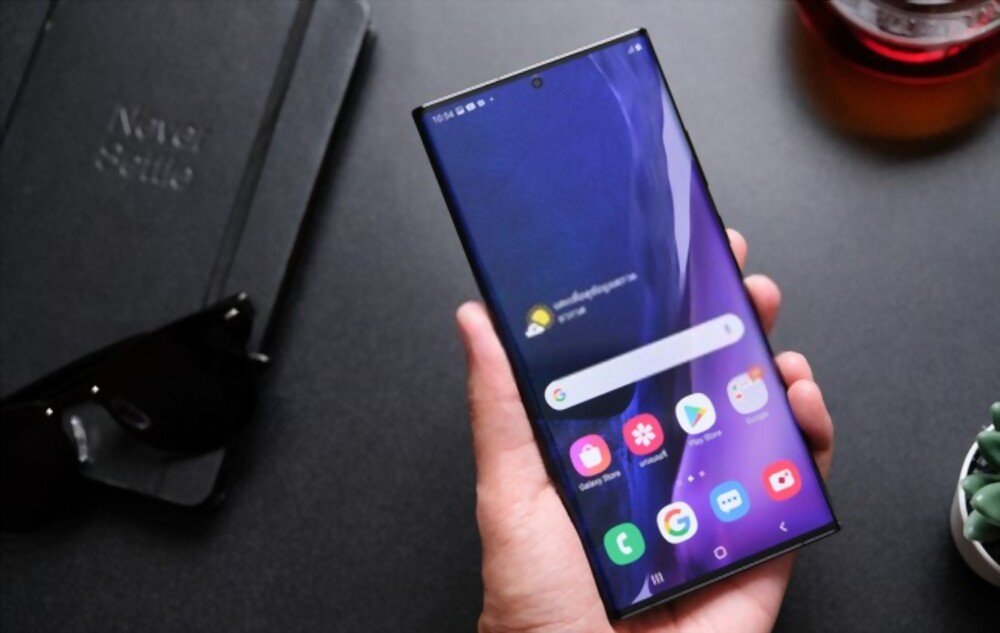
The home button, power button, or volume button is one of the most frequently used and wear-prone parts of a smartphone. If your home button, power button, or volume button is no longer working, here's how to replace it:
- Turn off your smartphone and remove the SIM card and memory card if they are removable.
- Remove the back cover of your smartphone if it's clipped or screwed on. Otherwise, gently heat the edges of the back cover with a hairdryer or heat gun to soften the adhesive holding it in place. Place a suction cup over the back cover and gently pull to lift it. Insert a guitar pick or plastic card into the gap and slide it all the way around the back cover to detach it completely.
- Unscrew the screws that hold the metal plate protecting the motherboard. Remove the metal plate by lifting it with a spudger or tweezers.
- Locate the home button, power button, or volume button on the motherboard. It's usually a small metal rectangle with a spring. Disconnect the connector for the home button, power button, or volume button that connects the button to the motherboard. Be careful not to damage any other components.
- Remove the home button, power button, or volume button by lifting it with a spudger or tweezers. If it's glued on, gently heat the button with a hairdryer or heat gun to soften the adhesive holding it in place.
- Replace the home button, power button, or volume button with a new one. Reconnect the button connector and secure it with special glue or double-sided tape.
- Replace the metal plate and screw it in place. Replace the back cover and clip or screw it in. Turn on your smartphone and check that the home button, power button, and volume buttons are working properly.
What precautions should be taken before, during and after the repair?
Repairing your own smartphone is not a simple task. Certain precautions must be taken before, during, and after the repair to avoid unpleasant surprises. Here are some tips to follow:
- Before starting the repair, back up your personal data to a computer, USB drive, or online storage service. This will prevent you from losing your contacts, photos, messages, or applications in case of a problem.
- During the repair, work in a clean, dry, and well-lit area. Use an anti-static mat or aluminum foil to place your smartphone on and prevent static electricity. Store screws and parts in labeled boxes or bags to avoid losing or mixing them up. Carefully follow online tutorials or repair guides specific to your smartphone model. Do not force any parts that are stuck, and don't hesitate to ask for help if you get stuck.
- After the repair, test all the functions of your smartphone: the touchscreen, camera, sound, Wi-Fi, Bluetooth, etc. If something isn't working, check that you have properly connected and secured the connectors and parts. If the problem persists, contact customer service at the website or store where you purchased the replacement parts. You may be eligible for an exchange or a refund.
Conclusion
Repairing your smartphone yourself with spare parts is an economical, eco-friendly, and rewarding solution. However, you must be careful and meticulous to avoid making the situation worse or damaging your device. By following the steps and precautions described in this article, you can give your smartphone a second life and enjoy its features. Remember to back up your data before starting the repair and test your smartphone afterward.