Do you have an iCloud account and want to access your mailbox from any device? Whether you have a Mac, iPhone, iPad , or PC, there are several ways to log in to your iCloud mailbox and check your messages. In this article, we explain how to do it step by step.
What is iCloud email?
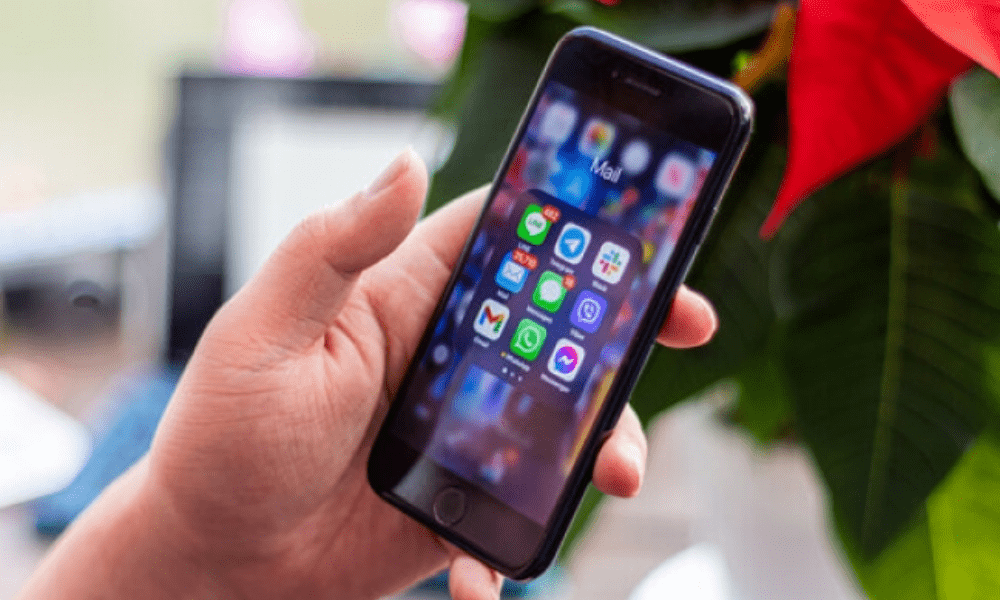
iCloud Mail is an email service offered by Apple to users of its products. It allows you to create an @icloud.com email address and benefit from 5 GB of free storage for your emails. iCloud Mail is integrated into the Mail app on Apple devices , but it is also accessible from any web browser at iCloud.com.
iCloud email offers several advantages:
- It synchronizes your emails across all your devices connected to your iCloud account.
- It allows you to create aliases to protect your identity or filter unwanted messages.
- It gives you access to other iCloud services such as calendar, contacts, notes, reminders, etc.
- It respects your privacy and does not scan your emails to send you targeted advertisements.
How do I connect to my iCloud mailbox on a Mac?

To access your iCloud Mail account on your Mac, you must first sign in to iCloud with your Apple ID. You can do this either by selecting the Apple 🍎 > System Preferences > Apple ID (or iCloud if you're using macOS Mojave or earlier), or by going to iCloud.com and using your Apple ID, Touch ID , or Face ID if your device supports it. Then, select the "iCloud Mail" option to access your iCloud inbox and sent items.
Once connected to iCloud, you can open the Mail app on your Mac and check your emails. You can also use another email client such as Outlook or Thunderbird by configuring the IMAP and SMTP protocols with the following settings:
- Incoming mail server: imap.mail.me.com
- Port: 993
- SSL: enabled
- Username: your iCloud email address
- Password: Your iCloud password or an app-specific password if you have two-factor authentication enabled
- Outgoing mail server: smtp.mail.me.com
- Port: 587
- SSL: enabled
- Username: your iCloud email address
- Password: Your iCloud password or an app-specific password if you have two-factor authentication enabled
How do I connect to my iCloud email account on my iPhone or iPad?
To access your iCloud email on your iPhone or iPad, you also need to sign in to iCloud with your Apple ID. You can do this by going to Settings > [your name] > iCloud

And by activating the “Mail” option,

Either by accessing iCloud.com from Safari or another compatible application and using your Apple ID, Touch ID or Face ID if the device allows it.

Once connected to iCloud, you can open the Mail app on your iPhone or iPad and check your emails. You can also use another email application like Gmail or Outlook by configuring the IMAP and SMTP protocols with the same settings as on a Mac.
How do I connect to my iCloud mailbox on a PC?

To connect to your iCloud email account on your PC, you must first download and install the iCloud for Windows on your computer. You can do this by going to the Apple website and following the on-screen instructions. Next, open the iCloud for Windows and sign in with your Apple ID. Check the box for “Mail, Contacts, Calendars, and Tasks” and click “Apply” to sync your iCloud data with your PC.
Once connected to iCloud, you can open your preferred email client on your PC and check your emails. You can use Outlook, which is automatically configured by the iCloud software for Windows, or another email client by configuring the IMAP and SMTP protocols with the same settings as on a Mac.
You can also access your iCloud email on a PC without installing the iCloud software for Windows. Simply go to iCloud.com from a web browser like Chrome, Firefox, or Edge and sign in with your Apple ID, Touch ID , or Face ID if your device supports it. Then, click the "Mail" icon to access your iCloud email online.
FAQ
How do I create an iCloud email address?
To create an iCloud email address, you need to sign in to iCloud with your Apple ID and select the “iCloud Mail” option. You can then choose an email address ending in @icloud.com and confirm it.
How do I recover my iCloud password?
To recover your iCloud password, go to iforgot.apple.com and enter your Apple ID. You can then reset your password by answering security questions, receiving a reset email , or using a trusted device.
How do I delete my iCloud account?

To delete your iCloud account, you must sign out of all your devices connected to iCloud and disable the "Find My iPhone" feature if it's enabled. Then, go to privacy.apple.com and sign in with your Apple ID. You can then request the deletion of your account and follow the on-screen instructions.
How to increase the storage space of your iCloud mailbox?
To increase your iCloud email storage, you need to subscribe to a paid iCloud+ plan. You can do this by going to Settings > [your name] > iCloud > Manage Storage > Change Plan. You can then choose between 50 GB, 200 GB , or 2 TB of storage for a monthly price that varies by country.
How do I transfer my emails from one iCloud account to another account?
To transfer emails from one iCloud account to another , you need to use an email client like Outlook or Thunderbird and configure both accounts with the IMAP protocol. You can then drag and drop emails from one folder to the other or use the " Export " or " Import " function of the email client.
Conclusion
iCloud Mail is a convenient and secure email service for Apple product users. It allows you to sync your emails across all your devices and access other iCloud services. To access your iCloud Mail account, you need to sign in to iCloud with your Apple ID, either from your device's settings or at iCloud.com. You can then use the Mail app or another email client by configuring the IMAP and SMTP protocols.