Many blockchain games are now designed for PC users. The PC remains the preferred platform for developers and players in this field. Although mobile devices reach a wider audience, approximately two-thirds of the best blockchain games run on PC.
The PC offers better hardware performance, greater freedom in software use, and fewer restrictions on cryptocurrency-based gaming mechanics, including NFT ownership and real-time interactions. Thanks to its open nature, the PC is often the first platform on which blockchain innovations appear, before they are deployed on other platforms.
Improved real-time interaction for live games
Many blockchain and cryptocurrency-based games now incorporate real-time streaming features. Some titles are broadcast from studios or live environments where players interact directly with hosts or other users. In this context, using a PC offers undeniable advantages.

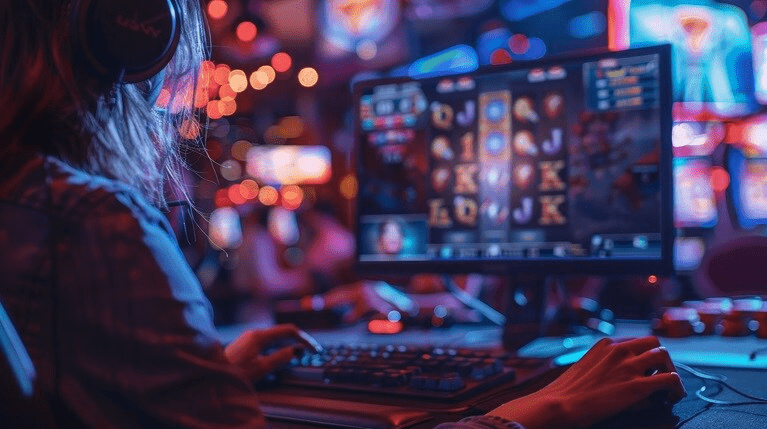
Devices with more powerful processors and dedicated graphics cards are better equipped to handle real-time streaming, multi-angle views, and uninterrupted video feeds. For example, live crypto casino games frequently use streaming to display dealers dealing cards, spinning the roulette wheel, or hosting interactive games.
These sessions rely on high-resolution video and minimal latency, which PC hardware is better able to handle consistently. Mobile devices can suffer from slowdowns, limited screen size, or a less stable internet connection. PCs, in comparison, allow for better bandwidth utilization, larger screens, and the use of external accessories such as full keyboards or webcams when interaction is required.
However, not all sites offering live crypto games adhere to the same quality standards. This is why users often consult rankings of the best and most reliable crypto casinos . These rankings allow users to filter platforms offering the highest streaming quality, optimal PC support, and reliable interface compatibility with hardware wallets and various screen resolutions.
Improved hardware performance and stability

Most blockchain games available on PC involve much more than just casual interaction. Some have large files, require constant synchronization with the blockchain, or use 3D graphics that would severely strain mobile systems.
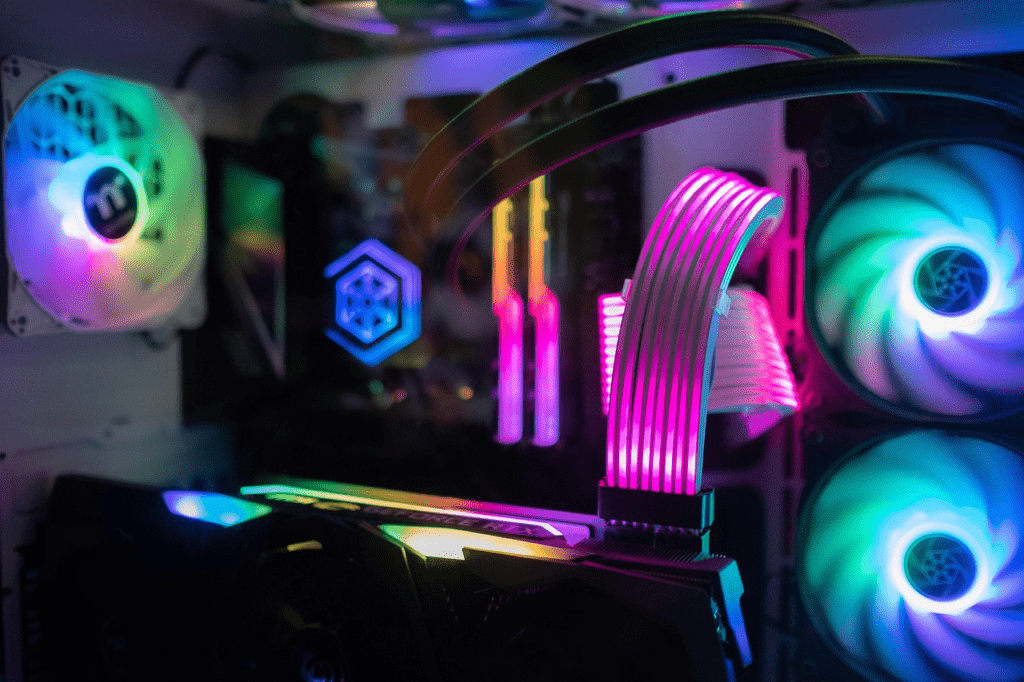
A desktop computer has the processing power and thermal design necessary to run these games stably over extended periods. Overheating or framerate drops not only disrupt gameplay but can also affect blockchain transactions, particularly during asset or NFT transfers.
Furthermore, PC configurations allow for the management of multiple processes simultaneously. You can run the game, monitor a wallet interface, and keep history or explorer tabs open in the background.
This level of multitasking is often too demanding for a phone or tablet, especially when the app ecosystem is limited or the operating system restricts simultaneous cryptographic functions. A PC remains the most reliable option when uninterrupted access and a stable power supply are required, particularly in games that handle numerical values or involve real-time events.
Expanded access to blockchain-optimized games
PCs offer access to a wider range of blockchain games, many of which are unavailable on traditional platforms like Steam due to policy restrictions. Blockchain game developers often distribute their titles independently through their own launchers or web platforms.
Games like Decimated, Star Atlas, and Ragnarok Landverse are available directly for download or via a web browser, bypassing traditional distribution channels. While mobile app stores often prohibit or restrict blockchain-related features, PCs remain relatively open.
Developers can deploy updates without platform approval, freely integrate cryptocurrency wallets, and allow players to manage their NFTs or tokens without needing specific APIs. This unrestricted environment has enabled many of the most advanced blockchain games to prioritize the PC.
It also allows for faster bug fixes, the integration of new features, and easier implementation of wallet updates than on locked-down systems.
A more transparent system and a more secure configuration
PC environments offer greater control over security and privacy. When using digital wallets, PC users can monitor everything through browser extensions, wallet software, or even hardware devices. They can verify smart contract addresses, monitor network requests, or run local blockchain nodes—all tools that are much more difficult to manage on mobile devices.
For example, in The Six Dragons, a blockchain RPG with loot-based NFTs, players often manage multiple inventories linked to their wallet. Managing these inventories across different devices without compromising security is easier with PC-specific tools, such as MetaMask browser plugins, encrypted local backups, or offline wallet integrations.
Mobile platforms typically restrict access to these tools or require workarounds that pose risks. PC users also benefit from real-time antivirus monitoring, firewall controls, and more robust operating system protections, which is essential when dealing with digital assets directly tied to blockchain-based games.