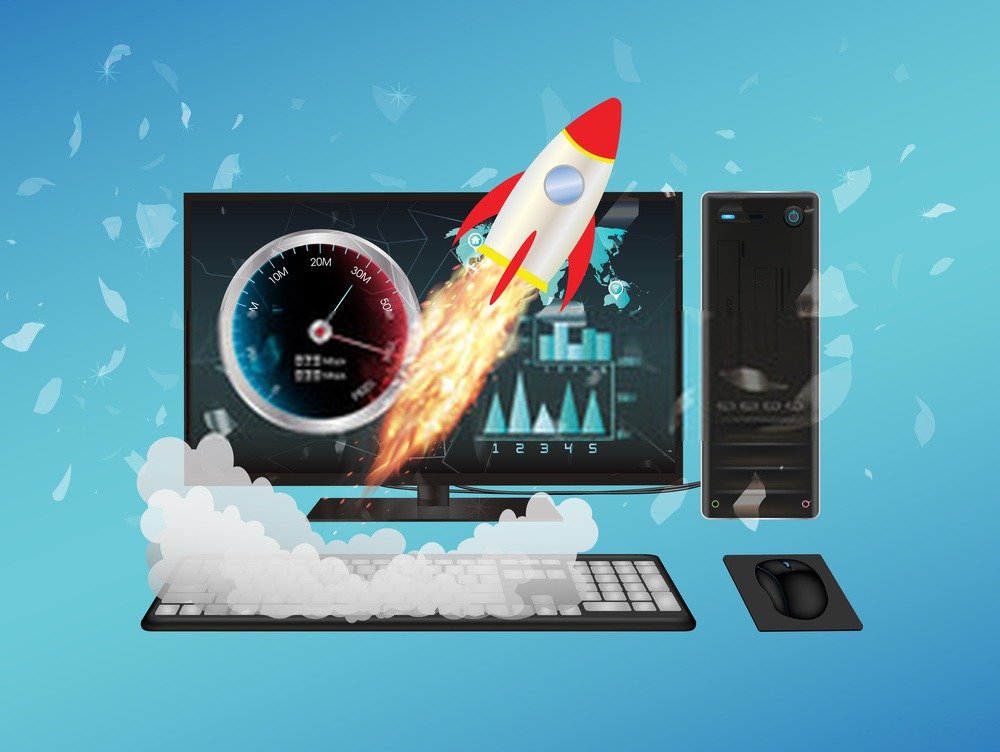
My computer is very slow. What are the causes? And how can I easily improve my computer's speed? When you're a beginner, you're often afraid of breaking something or missing important information. So, this guide is for you. For each solution we offer, we take the time to explain the basic concepts so you understand the essentials.
1. Check your antivirus software
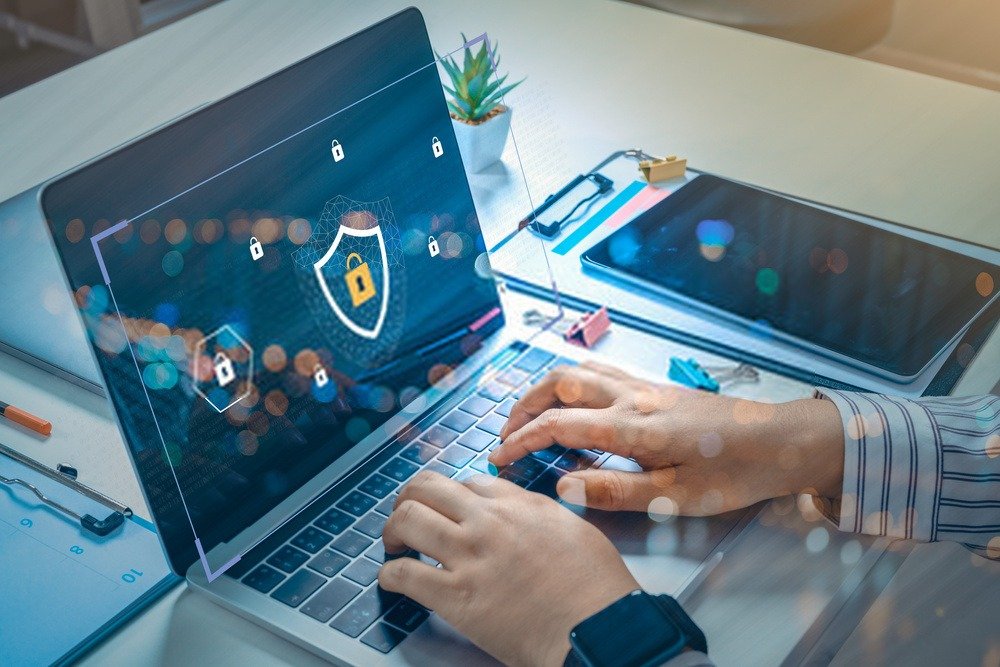
One of the reasons your computer is slowing down is the lack of antivirus software. How many people are surprised when you mention antivirus software? "Antivirus? What's that?"
What is an antivirus?
Antivirus software is capable of detecting and eliminating computer viruses. You might then ask yourself a second question: "What is a virus?" A computer virus is a malicious program whose main objective is to disrupt the proper functioning of a computer.
So, as mentioned earlier, the role of antivirus software is to ensure that there are no viruses on your computer. It also offers real-time protection to prevent the intrusion of new viruses. These often come from the internet or an infected USB drive.
How can I tell if I have antivirus software?
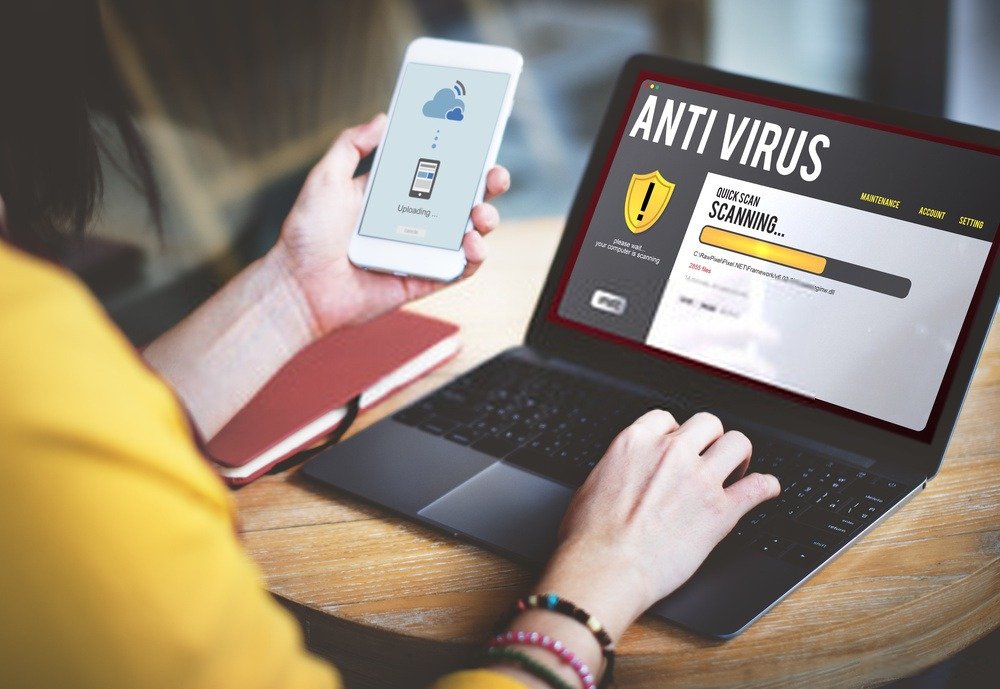
Generally, when you buy a Windows , it comes with a pre-installed antivirus program. This program may have a 3-month, 1-year, etc., license. This means that after this period, your computer is no longer protected and is therefore vulnerable to viruses. Before this happens, you receive several notifications (messages) from your program essentially saying, "Warning, your antivirus software expires in 1 month. Please renew it now." At this point, it usually asks you to pay for the renewal
.
You can then either choose to pay for a new license or uninstall the antivirus and install a free one. There are many tutorials online explaining how to uninstall your antivirus.
Here's a video to check if you have a native antivirus program on windows and uninstall it if necessary!
You should then quickly install a new antivirus program. Ideally, download the new antivirus before uninstalling the old one. This will allow you to install it very quickly after uninstalling the other antivirus. Indeed, the time your computer is exposed to malware should be as short as possible.
Which antivirus should I choose?
There are many antivirus programs available. Some are free, others are paid. But how do you navigate them all and choose the right one?
Let's use Google again. By typing "antivirus" into the search bar, you'll certainly get many results. That said, don't hesitate to delve deeper and consult other users' reviews. This will give you a good idea of what people really think about that antivirus.
We invite you to watch this video which reveals the best free antivirus programs for Windows 10 !
2. Delete unnecessary files and programs
We store more and more files: downloads, photos, music, etc. But we too often forget to clean them up. It's a bit like asking someone to run a race with a 20 kg suitcase on their back. Obviously, the more you empty the suitcase, the lighter it will be, and the faster your runner can go…
It's the same for your computer. The more unnecessary things you remove, the better its performance will be.

You might say, "Yes, but the salesperson at my favorite store told me I needed to buy an external hard drive and some RAM." Indeed, that way they can sell you the equipment and get their little commission in the process. That said, in all honesty, they could also tell you that it's a solution, certainly, but not the only one. Knowing that, next time, they might even manage to sell you a brand new computer to replace your current one (…your old computer is, apparently, too old…even though it's only a year old…).
Okay, let's get back to our topic.
Delete files efficiently
Go to folders like "My Documents," "My Pictures," "My Videos," "Downloads," and "Desktop" and delete anything you don't use. Remember to also delete these files from the Recycle Bin afterward. That said, I recommend waiting a few days before permanently deleting them from the Recycle Bin. This will allow you to undo the deletion if needed.
Also check for duplicates. There is software that analyzes your hard drives and can detect duplicate files. You can find some online. For example, there's
"Duplicate Cleaner Free." It will allow you to search for duplicates by name or type, for instance.
Uninstall unnecessary programs

It's rare that we actually use all the software on our computer. Some programs were pre-installed by the manufacturer. Others may have come from downloaded programs. For example, you might install Google Chrome when you intended to install a PDF reader. If you simply click "next" during installation without checking the settings, you might be in for a surprise.
We also invite you to read our article on disabling a program from starting up on Windows ; here's the procedure:
3. Clean your computer with CCleaner
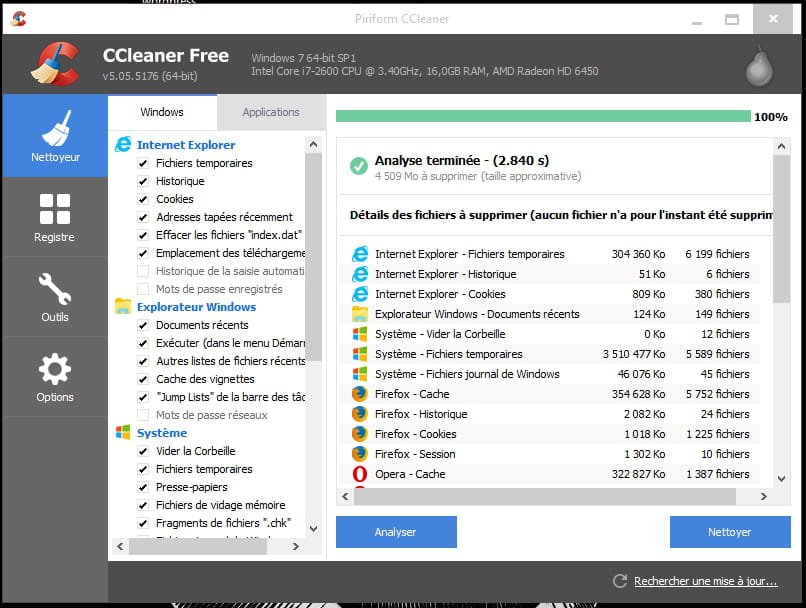
CCleaner will allow you to delete cookies and other elements left behind by browsers. It also removes temporary Windowsfiles. You can download it for free online.
In its latest version, CCleaner offers several tools to optimize your PC. You can either use the Windows tools described earlier or use CCleaner. Be aware that some actions are irreversible.
Here's a video guide on Ccleaner to help you avoid making a mistake!
Custom cleaning
By leaving the default settings, you can click directly on "Analyze" or "Clean." The software will then remove unnecessary files left on your computer by Windows and other applications.
Clean the registry
You can click on the Registry tab and then click on "Scan for Issues." Cleaner will offer to back up the registry. It is strongly recommended that you do so.
When the scan for issues is complete, you can click on "Fix All Issues."
4. Defragment your computer
Another strange expression! Don't worry. We'll explain what it means.

Defragmentation
When you store files on a computer, Windows doesn't actually store them all at once in one place. Instead, it stores them in chunks, scattered here and there, depending on the available free space. These are called file fragments. Over time, there are more and more file fragments. New fragments are created as you delete files and store new ones.
The consequence is that the computer becomes increasingly slow. Every time it needs to open a file, it has to find all the fragments of that file. Imagine there are 40 fragments of your file. These fragments aren't all located next to each other… So Windows needs time to find each fragment. Fortunately, the system has an index. It's like a directory where information about each file is listed.
How to defragment your PC?
To defragment your PC, you can use the tools provided by Windows, or download other software.
In general, the tools provided by Windows to optimize your PC are less effective than some software that can be found on the internet.
That said, here is the procedure to defragment Windows 10.
It may be necessary to perform the optimization several times.
Here's a video tutorial on how to defragment your computer using windows 10.
If you'd like to use free software, we recommend "Ultradefrag 64-bit for Windows 10," for example. It's a fairly easy program to learn. If you have any trouble, you can easily find tutorials online.
5. Restart your PC
Some people leave their computers on 24/7. It's true that this way, their PC is always available. But, over time, some programs remain running and slow down the PC. Restarting from time to time frees up RAM, resets certain programs, and so on. Your PC will thank you!
6. Enable Fast Startup
This is a Windowsoption. To activate it, here's what you need to do; it's always easier to understand with a video!
- Step 1: Go to the Taskbar at the bottom.
- Step 2: Type "Control Panel" in the Search box.
- Step 3: Click on "Control Panel".
- Step 4: Select "System and Security".
- Step 5: Go to " Power Supply Options".
- Step 6: Select "Modify the behavior of the power supply buttons".
- Step 7: Click on "Edit settings currently unavailable" ».
- Step 8: Check the "Enable fast startup" box.
- Step 9: Click on "Save changes", bottom right.
- Step 10: Restart your computer.
7. Modify your PC's performance
Windows 10 comes with its share of animations and visual effects. This significantly impacts performance. Don't worry, your computer will function normally without these effects. These visual effects are simply a "dressing up," designed to make it look "nice.".
To disable visual effects and prioritize performance, you can proceed as follows:
- Step 1: Go to the Taskbar at the bottom.
- Step 2: Type "performance" in the Search box.
- Step 3: Click on "Adjust the appearance and performance of Windows ".
- Step 4: Click on the "Visual Effects" tab. You will see a window with several checkboxes.
- Step 5: Select "Adjust for best performance".
- Step 6: Click on "Apply".
- Step 7: You can restart your PC.
Theoretically, your PC should be faster than before.
8. Remove the malware
Malware is malicious software that threatens your computer's security. The difference between malware and a virus is that a virus is just one type of malicious software (malware), while malware encompasses both viruses and other harmful programs.
In general, current antivirus programs are quite effective at protecting your PC against viruses. However, for other types of malware, you often need to use additional software. Malwarebytes is a commonly used program.
You can download the "Malwarebytes Anti-Malware" software for free. It offers a 14-day trial version.
After installation, launch it. It will offer to scan your computer. You can then decide to quarantine any malicious items, if found.
9. Problem following the addition of new software or hardware
Case of a new software
If you've noticed your PC has become slow after installing new software, try uninstalling it. If your PC runs fast again, you'll know the source of the problem. In this case, you might not have the correct version of the software, the one compatible with your computer.
It often happens, for example, that people download 32-bit software, while Windows 10 works exclusively in 64-bit.
In most cases, uninstalling the offending software resolves the issue. If this becomes too complicated for you, seek professional help.
We recommend you watch the video below
Case of new equipment
If you have connected new equipment and you notice a malfunction in your computer, it is often best to disconnect it.
It is not uncommon, for example, to notice a sudden change on one's computer after plugging in a new printer.
In most cases, removing this equipment is enough to fix the problem. Above all, if you're not comfortable with this kind of procedure, don't force it
USB devices use electricity and certain handling can have unfortunate consequences.
Fortunately, these hardware problems are usually repairable. However, it's still a bit of a nuisance when one or two USB ports stop working.
Conclusion
Therefore, with all these tips, you should be able to improve your PC's speed. Some of these solutions need to be implemented regularly for better long-term effectiveness.