
File Explorer is a central component of Windows , allowing you to navigate your files and folders. But what if File Explorer encounters problems and freezes, becomes unresponsive, or displays errors? In this case, a simple restart can often resolve the issue . Here are four easy methods to restart File Explorer in Windows 10 and 11 .
What is File Explorer in Windows ?
File Explorer, formerly known as My Computer , is a Windows that lets you view and manage your files and folders . It allows you to perform actions such as copying, moving, deleting, renaming, and organizing your files. File Explorer is also integrated with other Windows , such as the taskbar and the Start menu.
Restart File Explorer using Task Manager
Task Manager is a powerful tool that allows you to manage the processes running on your computer. You can use it to restart File Explorer by following these steps:
Step 1: Open the Task Manager. You can do this by pressing Ctrl + Shift + Esc or by right-clicking on the taskbar and selecting " Task Manager ".
Step 2: Click on the "Process" tab.
Windows Explorer" process . It may appear under the name " explorer.exe ".
Step 4: Select the " Windows " process and click the "Restart" button at the bottom of the window.
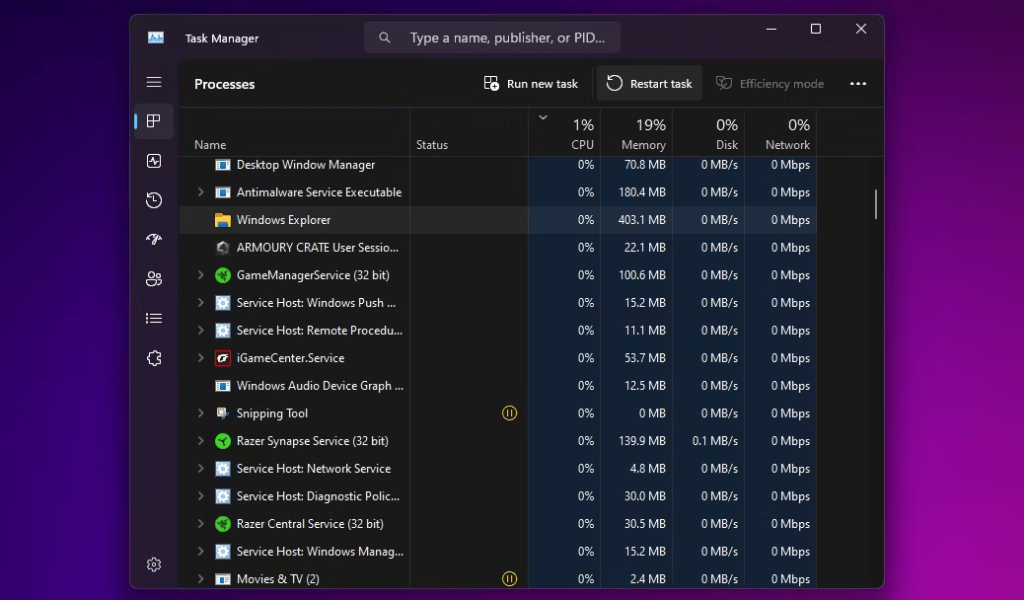
Task Manager will close and restart File Explorer. This should resolve most of the problems encountered with the application.
Exit Explorer and restart it manually (Windows 10 only)
If you're using Windows 10, you can quit File Explorer and restart it manually. This method is slightly more technical than the Task Manager method, but it can be useful if Task Manager is unresponsive.
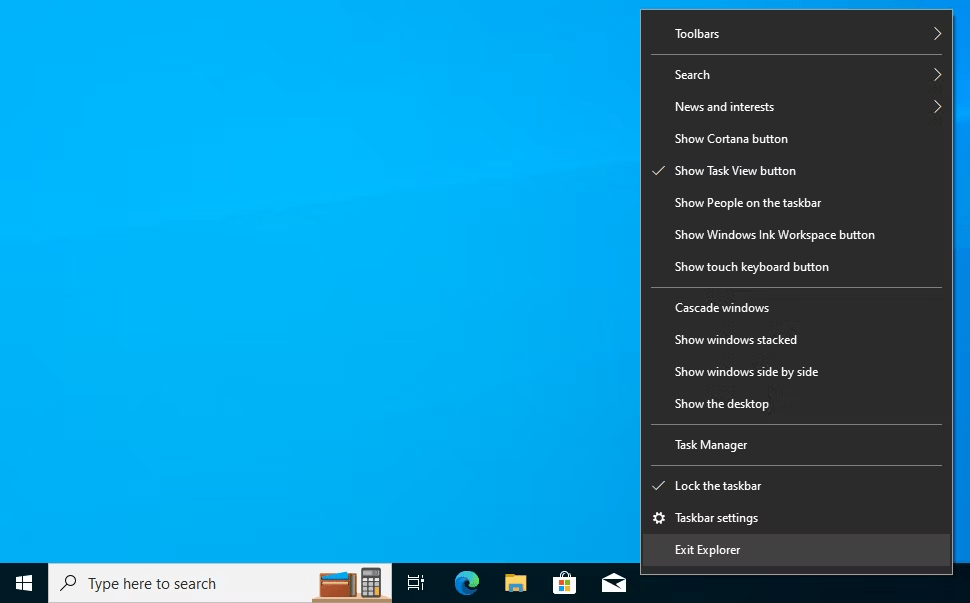
Step 1: Press Ctrl + Shift + Esc to open Task Manager.
Step 2: Click on the "Process" tab.
Windows Explorer" process . It may appear under the name " explorer.exe ".
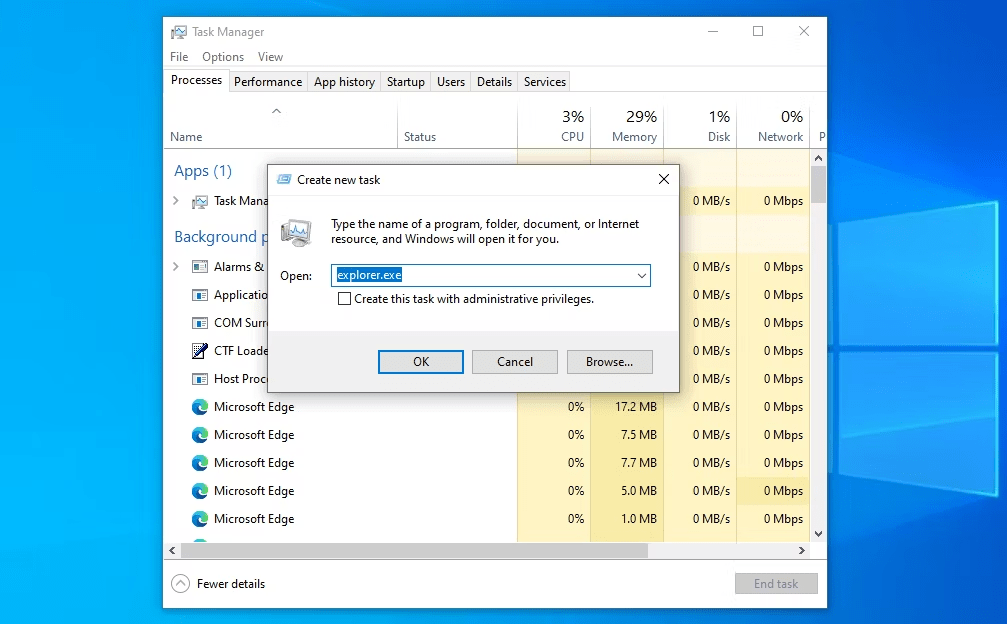
Step 4: Select the " Windows " process and click the "End task" button at the bottom of the window.
it , open File Explorer by pressing the Windows + E.
Restart Windows Explorer manually using the command prompt
The command prompt is a powerful tool that allows you to run commands and scripts on your computer. You can use it to restart File Explorer by following these steps:
Step 1: Open the command prompt. You can do this by pressing the Windows + R , typing cmd in the search box and pressing Enter .
Step 2: Type the following command in the command prompt and press Enter :
taskkill /f /im explorer.exe
This command will force-close File Explorer.
Step 3: To restart File Explorer, type the following command in the command prompt and press Enter :
start explorer.exe
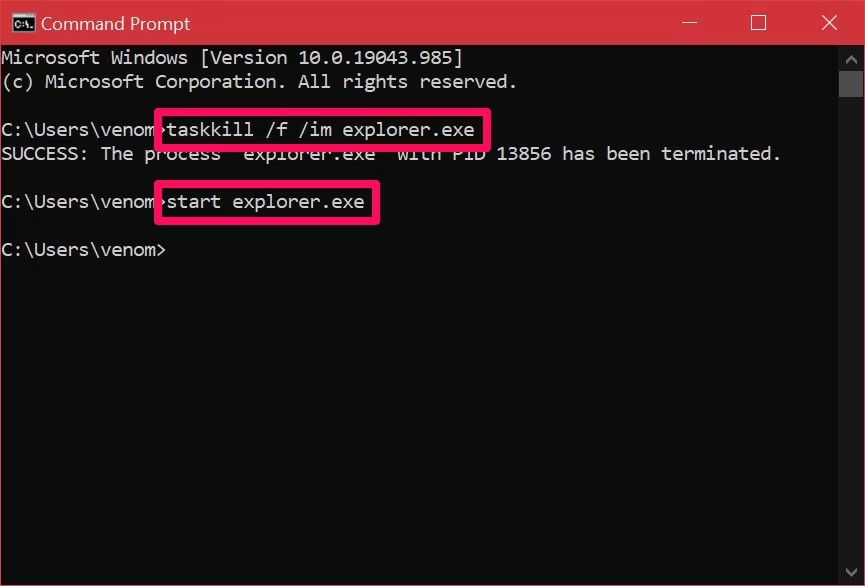
File Explorer will restart.
Use a batch file to restart File Explorer in Windows
A batch file is a text file containing a series of commands that are executed one after the other. You can create a batch file to restart File Explorer by following these steps:
Step 1: Open a text editor, such as Notepad.
Step 2: Type the following code into the text editor:
@echo off taskkill /f /im explorer.exe start explorer.exe
Step 3: Save the file with a name such as "restart_explorer.bat". Make sure to select "All files ( *.* )" from the " Save as type " dropdown list before saving the file.
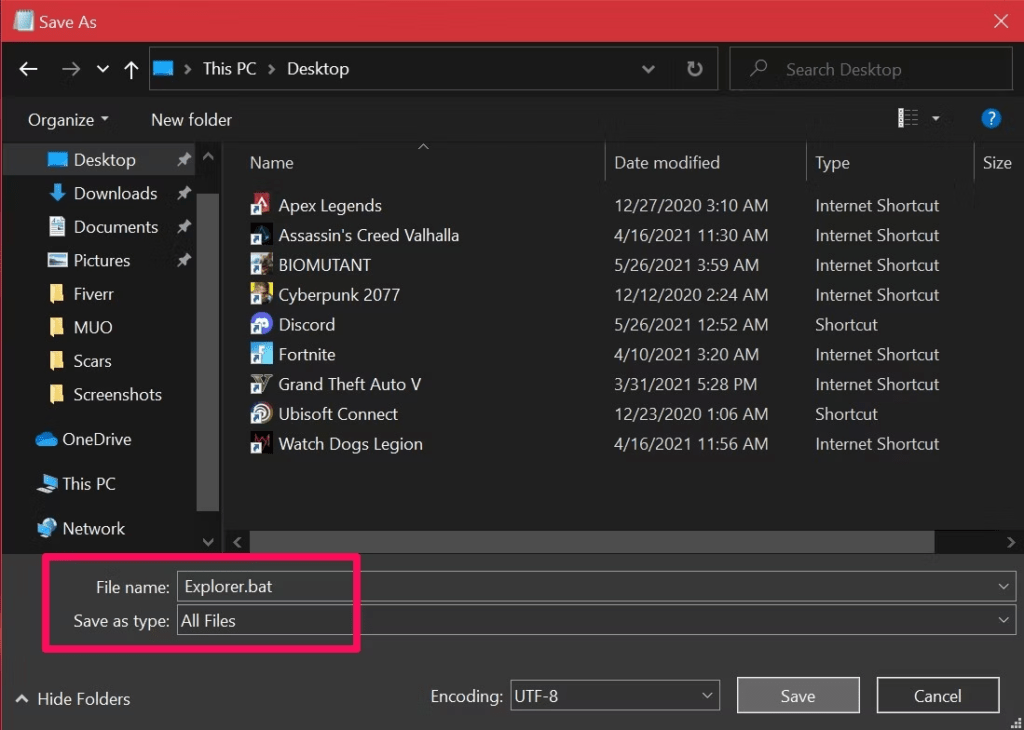
Step 4: Double-click the batch file to restart File Explorer.
Note: This method requires administrator privileges to function.
Conclusion
By following one of the methods described above, you should be able to restart File Explorer and resolve most of the problems you're experiencing. If you're still having problems after restarting File Explorer, you may need to restart your computer or look for additional solutions depending on the specific error you're encountering, such as error code 0x8007000d !