Do you love watching TVbut don't want to pay for a subscription or install an antenna? Do you want to enjoy your favorite channels anytime, anywhere? Then you'll love Photocall TV, a website that lets you watch over 1,000 channels for free on your smartphone or PC. In this article, we'll explain what Photocall TV is, how it works, its advantages and disadvantages, and how to use it to watch TV online for free.
What is Photocall TV?

Photocall TV is a Spanish website offering free streaming of over 1,000 television channels from around the world. Simply accessthe site through your web browser, choose the channel you want to watch, and enjoy live TV without installing anything or registering. Photocall TV has a built-in player that delivers good picture quality and allows you to cast the stream to a Chromecast-enabled television.
Photocall TV offers a wide variety of channels, classified by category:
- National channels
- International channels
- Cable channels / other
- Radio stations
- Programming guides
Note that some channels are available in Web dl format, meaning they are downloaded directly from the website without any intermediary. Web dl offers better picture and sound quality than traditional streaming. Photocall TV is therefore a very comprehensive and convenient website for watching television online for free.
How does Photocall TV work on Android and iOS?
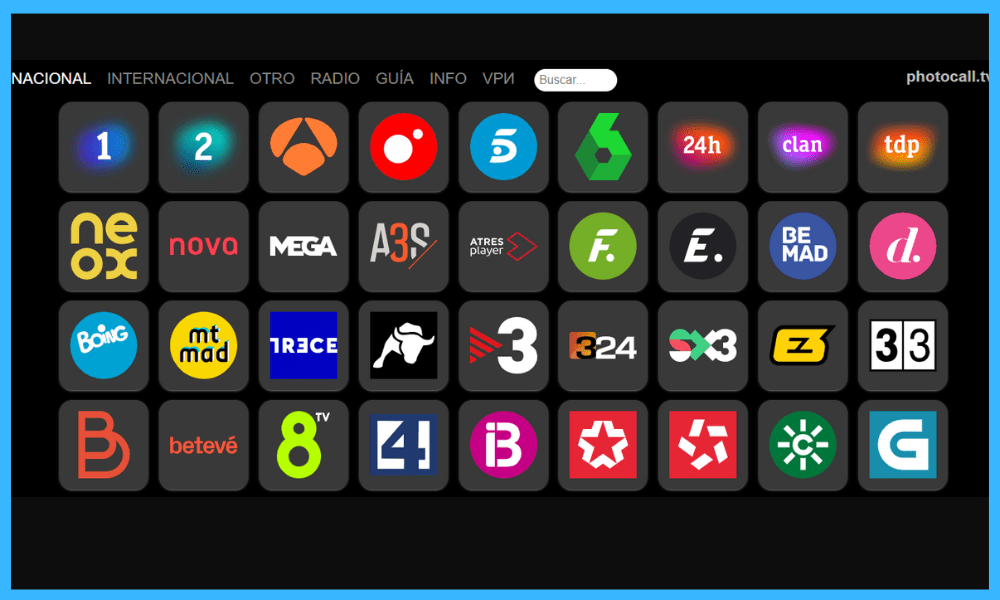
Photocall TV is a website optimized for Android and iOS smartphones. It doesn't require a dedicated app; simplyuse your preferred web browser. Here's how:
- Open your smartphone's web browser and type the address https://photocall.tv/ into the address bar.
- You arrive at the site's homepage, where you can see the different categories of channels available.
- Click on the category that interests you, then on the channel you want to watch.
- The built-in player starts and streams the live channel. You can control the volume, full screen, or send the stream to a TV with Chromecast.
- To change channels, simply go back or click on the menu in the top left corner.
Photocall TV is therefore very easy to use on your smartphone. It allows you to watch television online and for free without needing a specific application.
How to watch Photocall TV on PC?
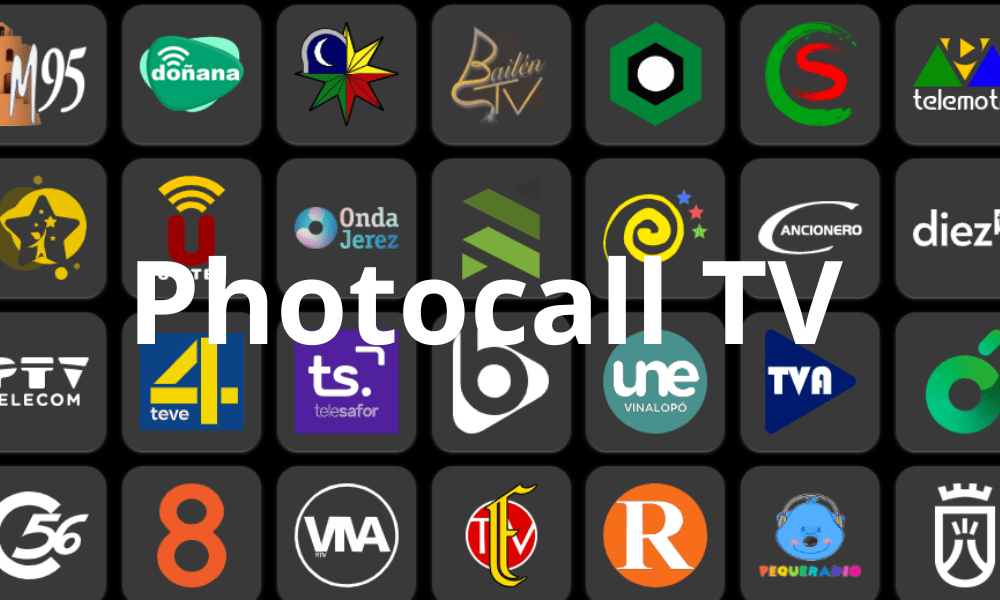
If you want to enjoy a larger screen and a more comfortable keyboard, you can also use your PC to access the site. Here's how:
Watch Photocall TV on your PC using a web browser
The easiest way to watch Photocall TV on a PC is to use a web browser like Chrome, Firefox, or Edge. Here are the steps to follow:
- Open your PC's web browser and type the address https://photocall.tv/ in the address bar.
- You arrive at the site's homepage, where you can see the different categories of channels available.
- Click on the category that interests you, then on the channel you want to watch.
- The built-in player starts and streams the live channel. You can control the volume, full screen, or send the stream to a TV with Chromecast.
- Tochange channels, simply go back or click on the menu in the top left corner.
Watching Photocall TV on your PC using a web browser is therefore very easy. It allows you to enjoy your favorite channels on a big screen without needing a specific application.
Watch Photocall TV on your PC with an Android app

Another way to watch Photocall TV on a PC is to use an unofficial Android app that claims to offer the same service as the website. Several such apps exist, but they are often fraudulent or dangerous. We therefore advise against using them. However, if you still want to try, here's how:
- Download an unofficial Android application that offers Photocall TV, such as photocall.tv APK or photocall.tv APK on PC.
- Download an Android emulator for PC, such as BlueStacks or Nox Player.
- Install the Android emulator on your PC and launch it.
- Drag and drop the Photocall TV app APK file into the emulator to install it.
- Open the Photocall TV application in the emulator and choose the channel you want to watch.
Watching Photocall TV on a PC using an Android app is possible, but not recommended. It exposes you to security and legal risks. It's better to use the website directly from your web browser.
What are the advantages and disadvantages of Photocall TV?

Photocall TV is a website that offers a free streaming service with over 1000 television channels from around the world. It has several advantages:
- It's free : no need to pay a subscription or install an antenna.
- It is accessible : no need to register or download an application.
- It is varied : it offers a wide range of national, international, thematic and radio channels.
- It is compatible : it works on all web browsers and all Android and iOS smartphones.
- It is practical: it has an integrated player that offers good image quality and allows you to send the stream to a television with Chromecast.
But Photocall TV also has some drawbacks:
- It is illegal : it does not respect the copyrights or licenses of the channels it broadcasts.
- It is unstable : it can be blocked, censored or shut down at any time by the authorities or rights holders.
- It is limited : it does not offer all the channels available on the market, nor all the customization or parental control options.
- It is advertising : it displays ads and banners that can be annoying or dangerous.
Photocall TV is therefore a website that has its advantages and disadvantages. It's important to be aware of the risks involved and use it with caution.
How to watch Photocall TV on television?

If you want to enjoy a bigger screen and better sound, you can also send the stream to a TV equipped with a Chromecast. Here's how:
- Connect your smartphone and your television to the same Wi-Fi network.
- Open your smartphone's web browser and go to https://photocall.tv/.
- Choose the channel you want to watch and launch the built-in player.
- Click on theChromecast icon in the top right corner of the player.
- Select the name of your television from the list of available devices.
- The stream is transferred to your television and you can control playback from your smartphone.
You can watch Photocall TV on your television using Chromecast. It's a simple and effective way to enjoy your favorite channels on a big screen.
FAQs about Photocall TV
Do you still have questions about Photocall TV? Here are some answers to frequently asked questions:
Is Photocall TV legal?
No, Photocall TV is not legal. It broadcasts channels without the necessary rights or licenses. Therefore, it can be prosecuted or blocked by the authorities or rights holders.
Is Photocall TV safe?
No, Photocall TV is not safe. It displays ads and banners that can be intrusive or malicious. It may also contain viruses or spyware that can damage your smartphone or steal your personal data.
Is Photocall TV free?
Yes, Photocall TV is free. It doesn't require a subscription or an antenna installation. Simply access the website through your web browser and choose the channel you want to watch.
Does Photocall TV have an app?
No, Photocall TV does not have an official app. There are unofficial apps that claim to offer the same service, but they are often fraudulent or dangerous. It's best to use the website directly from your web browser.
Does Photocall TV work on iPhone?
Yes, Photocall TV works on iPhone. Simply use the Safari web browser or another compatible browser and follow the same steps as on Android. You can also stream to a TV using Chromecast if you have the Google Home app installed on your iPhone. If you don't have a Wi-Fi connection, you can use Chromecast without Wi-Fi by creating a mobile hotspot with your iPhone and connecting both your Chromecast and your TV to that network. This way, you can enjoy Photocall TV on a big screen without needing an internet connection.
Does Photocall TV work on Smart TVs?
Yes, Photocall TV works on Smart TVs if they have a built-in web browser or are connected to a Chromecast. You can then access the website from your remote control or smartphone and watch the channel you want.
Does Photocall TV have good picture quality?
Yes, Photocall TV has good picture quality. The built-in player offers HD resolution and adapts to your internet connection speed. You can also adjust the quality manually if you wish.
Conclusion on Photocall TV
Photocall TV is a website that lets you watch over 1,000 channels for free on your smartphone. It's easy to use, offers a wide variety of channels, is compatible, and convenient. However, it's also illegal, unstable, limited, and contains ads. Therefore, use itwith caution and at your own risk.