Building a gaming PC might seem complicated, but in reality, it's like assembling a giant, colorful puzzle. Each piece has its place, and when everything is in order, live poker games or virtual roulette spin without the slightest lag.
Before registering at a foreign casino, he can visit https://casinoenligneinternational.com/ to verify its safety. This clearly demonstrates that security and performance are two sides of the same coin.
This article explores the best way to build a PC specifically designed for online casino platforms. It covers component selection, assembly, network optimization, as well as cooling and noise reduction. Everything is explained step by step, in simple language, so even a novice can follow along.
By the end of this reading, any player will know which items to buy and how to arrange them to enjoy a smooth, stable, secure and truly entertaining game for everyone.
Choosing the essential components

The robustness of a gaming PC depends primarily on the processor and graphics card.
For online casinos, a modern quad-core CPU is often sufficient, but a six-core model like the Ryzen 5 or Core i5 ensures a comfortable margin during live broadcasts.
On the GPU side, a recent mid-range card, for example an RTX 3060 or RX 6600, offers enough power for 3D animations of blackjack tables without costing a fortune.
RAM is just as important: 16 GB of DDR4 RAM clocked at 3200 MHz ensures fast transitions between multiple game windows.
A 500GB NVMe SSD reduces software client and operating system load times. Finally, a B550 or B660 motherboard provides the latest USB-C ports for connecting webcams and VR headsets.
By keeping an eye on compatibility, the player avoids unpleasant surprises and saves money.
Assembling the PC step by step
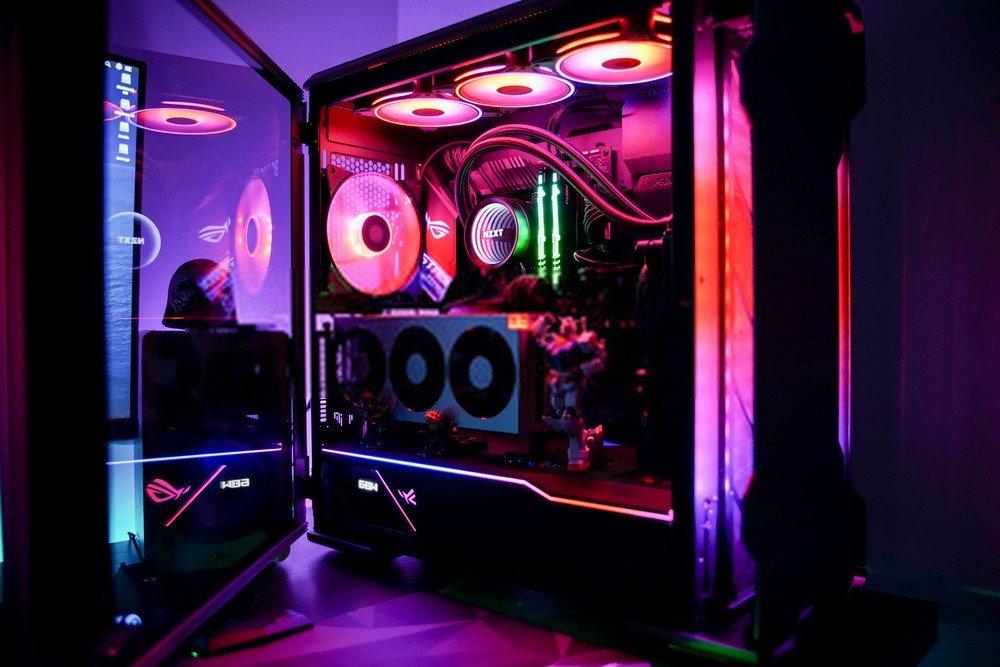
Once all the components are on the table, it's time to get out the magnetic screwdriver. The simplest method is to prepare the case by first installing the modular power supply .
By routing the cables to the rear, the interior remains clear for optimal airflow. Next, the motherboard is placed on the brass standoffs, followed by the processor, thermal paste, and heatsink. Installing the RAM is quick: simply align the notch and press until it clicks into place.
The graphics card, meanwhile, slides into the fastest PCIe slot, often reinforced with metal. After securing the SSD in the correct M.2 slot, the user connects the power supply cables and front panel connectors. An anti-static wrist strap also reduces the risk of unexpected short circuits during handling.
Before closing the panel, an initial power-on test verifies that each fan is spinning and that the BIOS is displayed. This check saves many hours of debugging later.
Optimize the network and software

Live casinos require a stable connection, as the slightest lag can cost you a winning spin.
To begin with, it's best to connect your PC to the router with a Cat-6 Ethernet cable rather than relying on Wi-Fi. This simple change reduces latency and makes video streams clearer.
Installing the latest drivers for your network card, GPU, and motherboard ensures maximum performance. A lightweight operating system, free of unnecessary programs, frees up even more resources.
In the Windowscontrol panel, the player can prioritize their browser or casino application for network traffic to avoid betting interruptions. Updating the router's firmware often provides an additional stability boost.
Finally, activating a good antivirus solution is not only prudent: it protects banking data and digital tokens.
With these settings, the virtual table runs at full speed, even during peak hours. This attention to detail also reduces overall bandwidth consumption.
Keep the system cool and quiet
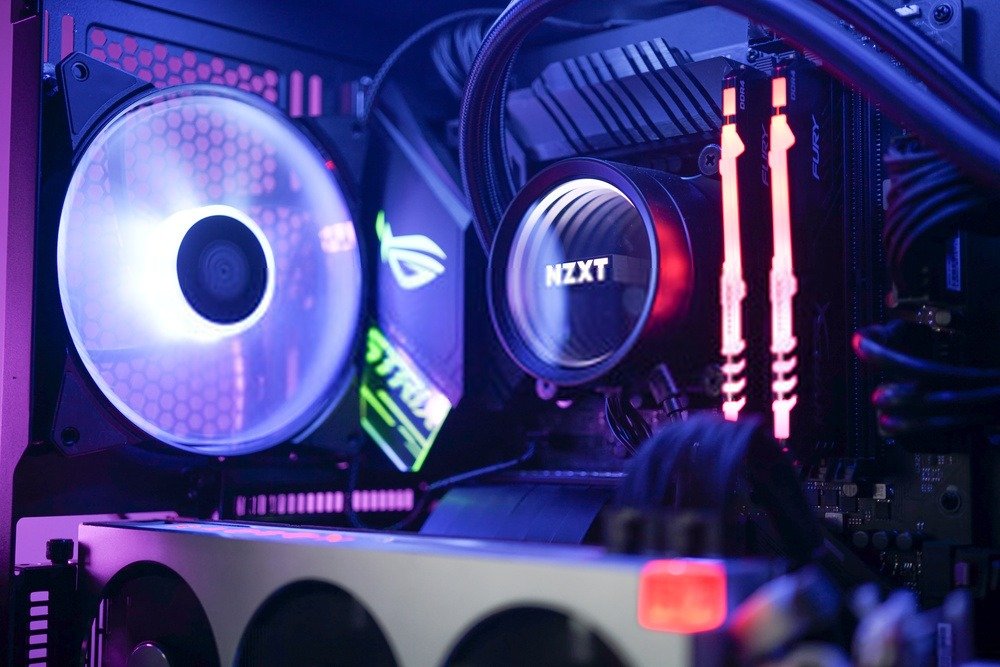
Maintaining a good temperature extends the lifespan of components and prevents crashes in the middle of a crucial task. A well-ventilated case is the first step: two fans at the front for intake and one at the rear for exhaust create a constant airflow.
Those who prefer silence can choose PWM models that automatically adjust their speed. For the processor, a 120mm tower cooler or a small AIO water cooling kit keeps heat under control without turbine noise.
It's equally important to manage the cables to avoid blocking airflow. Replacing the thermal paste every couple of years will maintain performance.
Monitoring temperatures with free software like HWMonitor allows you to react before your PC starts throttling. Finally, placing the machine on a raised stand reduces dust and improves acoustics. The game runs smoothly, and the atmosphere at home remains peaceful.