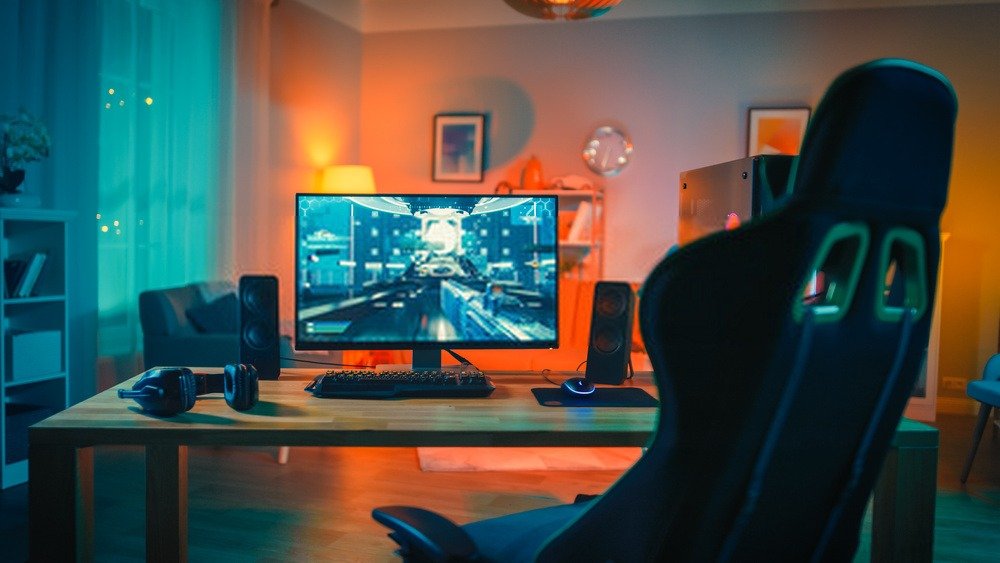
If you're a video game enthusiast, you're probably aware of the importance of having a monitor with a relatively high refresh rate, given the smoothness and ease of gameplay it provides. However, why restrict such technology solely to the gaming sector, instead of leveraging it in more productive fields?
First of all, what is the refresh rate of a monitor (or refresh rate)?
What is the refresh rate?
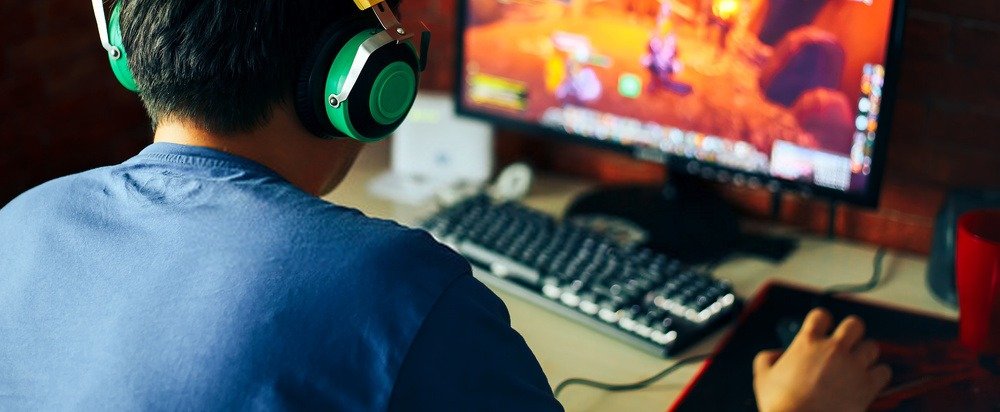
This simply refers to the number of images displayed on the screen per second, measured in Hertz (Hz). The higher this number, the better the visual comfort: it ensures an imperceptible refresh rate for the viewer's eye.
Most monitors on the market have a refresh rate of 60 Hz: this means that the maximum frame rate they can achieve is 60 FPS. In other words, the image is refreshed 60 times per second.
Having a higher refresh rate allows you to minimize input lag, making the overall experience much smoother and more natural. This can be incredibly beneficial, especially for video game enthusiasts.
The different refresh rates of monitors
Refresh rates vary from screen to screen, depending on your preferences and needs. The most common, or "standard," refresh rate is 60 Hz. Anything above 144 Hz is considered a high-refresh-rate monitor (some even reach up to 360 Hz).
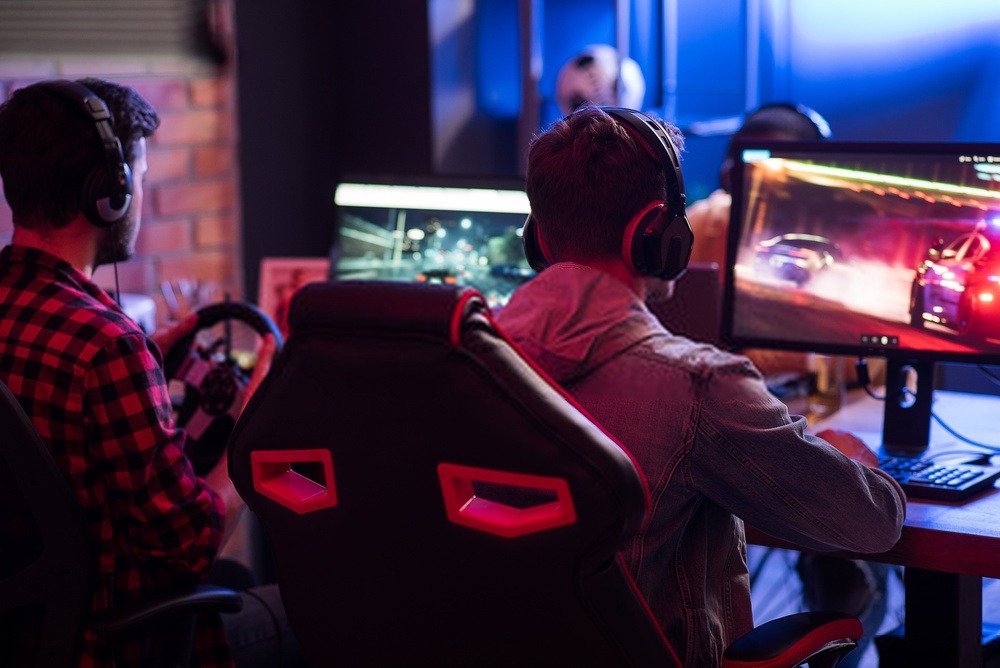
These are greatly appreciated, especially by competitive players, given the importance of response time in multiplayer games.
However, annoying effects such as screen tearing and stuttering can reduce the performance of high-refresh-rate monitors. That said, when a graphics card sends images at a frequency that exceeds the screen's refresh rate, the screen becomes unable to process them, sometimes resulting in display problems.
This is no longer a problem, however, since G-Sync (from NVIDIA) and FreeSync (from AMD) technologies automatically adapt the refresh rate to the video signal from your graphics card.
So, to return to the initial question, how else could this technology, initially designed for games, be beneficial?
High refresh rate: not a necessity but an added value
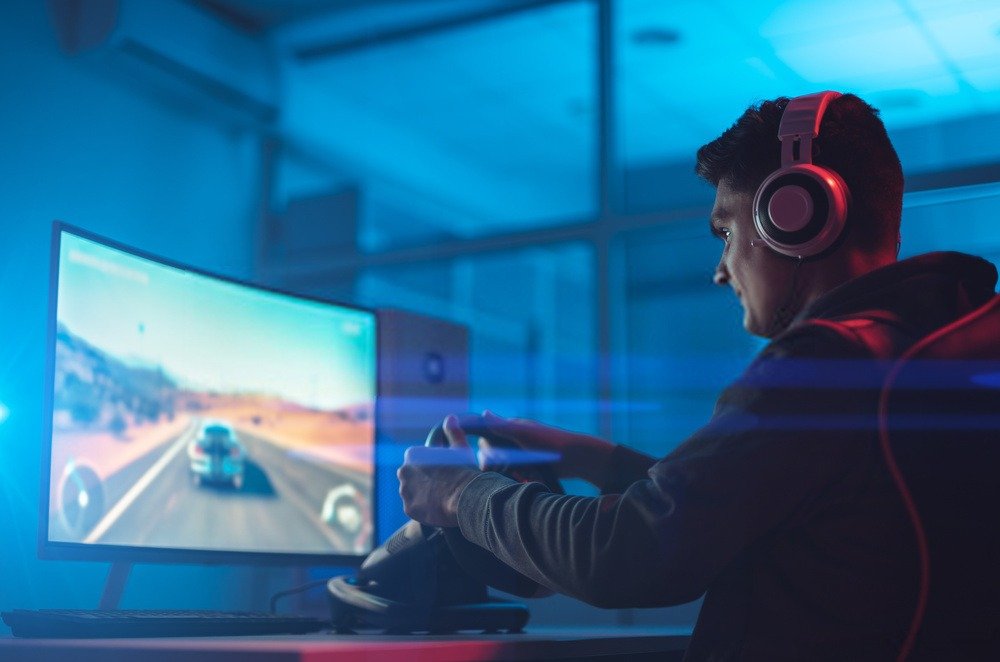
It's clear that everyday computer tasks like browsing the internet or office work don't necessarily require significant graphics processing power. Therefore, your graphics card, even if integrated, will often offer a high frame rate.
Once you've adopted a higher refresh rate, you'll instantly notice your computer's improved responsiveness; from cursor movement and window sliding to application launches, everything will seem to work smoothly and quickly. The difference is even more striking when you switch back to a 60Hz monitor!
The most striking example of high refresh rate monitors is none other than Apple's iPad Pro, which, in 2015, was the first to introduce 120Hz screens. An innovation that did not go unnoticed by analysts and users.
It's worth mentioning that, contrary to what you might expect, the price of these high-frequency monitors is quite affordable. Even better, their prices are only decreasing thanks to technological advancements.
Ultimately, it's undeniable that high refresh rate monitors aren't necessary for work; however, why deprive yourself of making better use of your device? Whether it's worth it or not is entirely up to you!