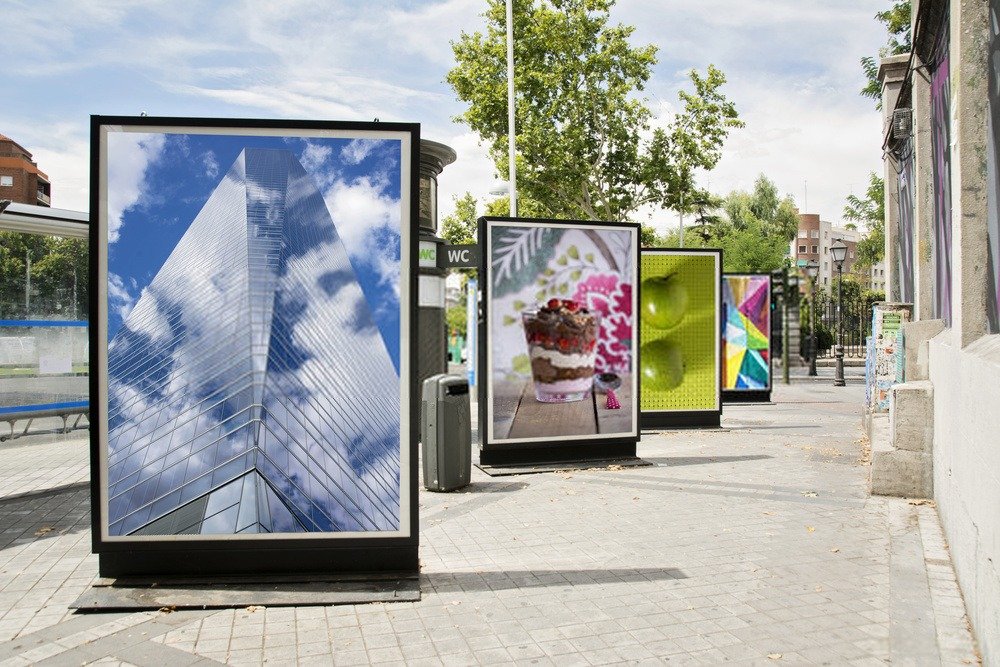
With the rise of the internet and new technologies, businesses must innovate more in their communication to increase their brand awareness and visibility. Business communication takes place through various channels, such as social media, but also directly within their environment on digital screens. Several types of screens are available for digital signage. But how do you choose the right one? Which screens are best suited for your needs? We'll explain everything!
What is a digital signage screen?

A digital signage display is a digital solution for displaying advertising or informational messages. It can transmit static or animated multimedia content, such as photos, videos, or slideshows. Digital signage displays are powerful communication channels.
Good to know : To use a digital signage display, you'll need specific software! Discover 5 open-source software options for digital signage !
Areas of activity
Digital signage screens can be used in all sectors: retail, restaurants, beauty, private companies, etc. In fact, in the retail sector, digital signage screens are increasingly used. This allows stores to attract customers and promote store news such as new products, promotions, or contests.

In the restaurant industry, just as in the beauty industry, digital signage screens also have a significant impact. They enhance a restaurant's image by displaying its menu or other information, attracting passersby. Digital signage screens can also be beneficial for private businesses.
They are very commonly found in administrative bodies, for displaying ticket numbers or directing people to the correct departments. Digital signage screens can also be suitable as a display in a meeting room.
The advantages of digital signage

Digital signage displays, as previously mentioned, offer many advantages. These vary depending on the industry. However, some advantages are common to all:
- To attract the attention of passers-by
- Schedule the different broadcasts
- Adapt the types of broadcasts
- Increase your visibility
- Enhancing one's reputation
- Having an original means of communication
And many more advantages!
Criteria to consider when choosing your screen
To acquire the right digital signage screen for your needs, you must first define all the criteria you require. Indeed, depending on your industry and intended use, digital signage screens can vary. Here are the 7 main criteria to consider to best guide you toward the appropriate digital signage screen.
Duration of use
The screen's usage time is one of the most important criteria. It will quickly determine whether you need to invest in a high-performance digital signage screen or not. The question you should ask yourself is simple: "How many hours a day will I be running my digital signage campaigns?" If you only need a digital signage screen temporarily, standard screens may be sufficient.
The same applies if you wish to broadcast during moderate time slots, such as 6 a.m. to 11 p.m. However, if you require non-stop broadcasting, 24/7, you will need to invest in a high-performance digital signage display.
Indoor and outdoor use
Not all screens are suitable for outdoor use. While some outdoor screens may be used indoors, it's not recommended as it will increase your costs. Therefore, it's essential to know where you'll be positioning your screen.
Indeed, a standard screen can be perfectly suitable for indoor digital signage. Conversely, an outdoor screen will have superior capabilities compared to a standard screen, such as weather resistance and excellent brightness performance. Some outdoor digital signage screens also come with protective features.
The screen size

Whether the screen is indoors or outdoors, you must choose the size of the digital signage screen based on the configuration of the location where you want to install it. It's important to determine the screen size not only according to the specific location but also according to the room's square footage. For example, if you choose a location on a relatively small wall, you should opt for a screen of the same size or even smaller.
Furthermore, you must also adapt the screen size to the room's dimensions. You wouldn't put a small screen in a huge space—that would be absurd—just as you wouldn't put a large screen in a small room. It's also important to choose a strategic location for the digital signage screen. If you opt for a large screen, it should minimize the loss of your sales area.
The amount of screen
The number of digital signage screens is also a factor to consider. If you want multiple screens, you'll need to choose a model that suits their intended use and location. For each screen, you'll need to define its specific requirements.
The screen type
It's important to define what you want to display on your screen. If you simply want to display information, a standard screen will suffice. However, if you want to create campaigns with interactive features, you'll need a touchscreen. Touchscreens enhance the customer experience and capture user interest. They also allow you to gather information.
Customers are keen on new technologies and innovations that companies can implement. This makes a lasting impression and greatly improves the company's reputation.
The brightness
Brightness is also an important criterion for selecting the digital signage solution . Depending on the screen's location, its brightness must be appropriate. If the screen is outdoors or in a dark corner, the brightness needs to be higher than in a bright location. This ensures the screen is readable by everyone and that the advertising message is displayed correctly.
Thanks to new technologies, some screens have the ability to automatically adjust their brightness according to their environment. This is very useful, especially for outdoor screens, which will be brighter at night than during the day.
Connectivity
The screen's connectivity is also important. Content can be streamed in several different ways: via a USB drive, a connected computer, or via a local network or the internet. In the latter case, the screen must have a Wi-Fi connection.
Types of digital signage screens
After selecting all the criteria that suit your project, you now need to choose your digital signage project. Indeed, not all screens are suitable for your project. That's why you need to know the different types of screens before purchasing one or more.
TVs and screens
TVs and monitors are the most common choice for digital signage. They offer an easy-to-install and inexpensive display option. However, they aren't as effective as other types of screens. TVs and monitors might be suitable for a first attempt.
LED panels
LED signs are ideal if your location is difficult to find or lacks visibility. They are also suitable for informational and/or educational communications. LED signs can be used both indoors and outdoors.
Totems and markers
Interactive kiosks and totems are the most suitable screens for creating customer interaction. They can be used for all types of content: information, news, prevention campaigns, or even education. Totems and kiosks are primarily used indoors.
Screen walls
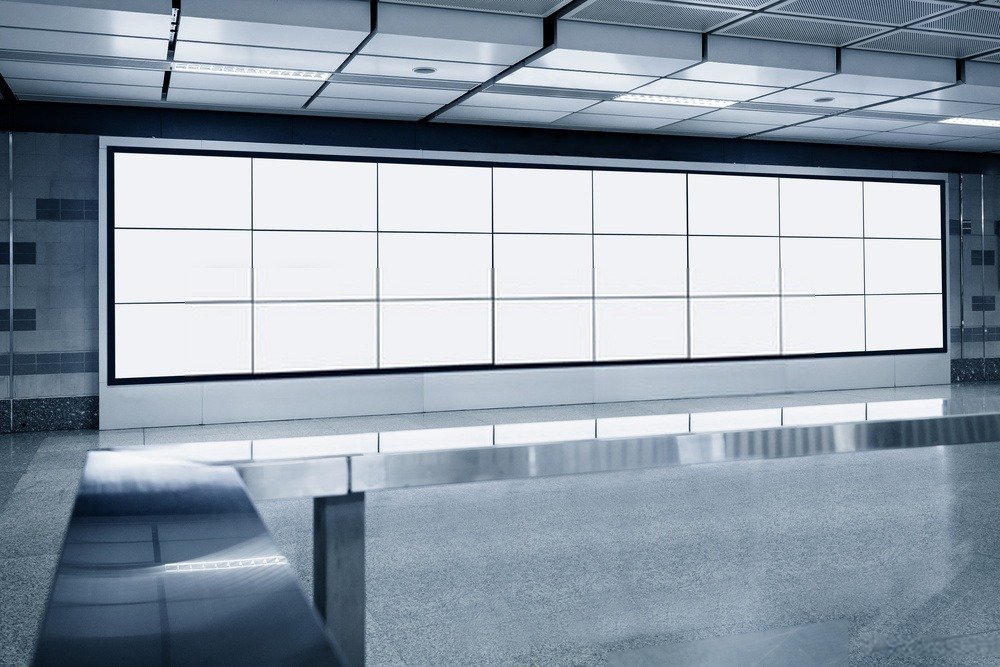
Video walls can create a strong visual impact on passersby. They offer very high-quality image transmission and are visible from a distance. Arranging them in an original way will allow you to increase your visual impact.
You now have all the information you need to define your criteria and select the type of digital signage screen that suits you best. Digital signage screens are important for your communication and brand awareness, so you shouldn't neglect their quality.