The rapid evolution of digital technology and artificial intelligence over the last decade suggests a future where their impact on the student experience will be enormous. But what will student life look like for future generations?
Digital technology and AI for the students of tomorrow
Digital technology and artificial intelligence will allow tomorrow's students to have access to:
- A variety of educational resources adapted to their needs, preferences, and learning pace. For example, digital platforms offering courses, exercises, videos, and games, such as OZE 92 Yvelines, which students compete to access 🙂
- Assessment and progress monitoring tools provide students with immediate and personalized feedback. For example, speech or facial recognition systems can analyze students' pronunciation or expression .
- Spaces for collaboration and exchange with peers, teachers, or experts. For example, educational social networks, forums, chats, or video conferences promote group work and knowledge sharing.
- Opportunities for innovation and creativity, using digital technology and AI as tools for producing and disseminating their projects. For example, programming software, video editing software, music creation software, or virtual reality software stimulate artistic and cultural expression.
Digital technology: An essential foundation of modern pedagogy
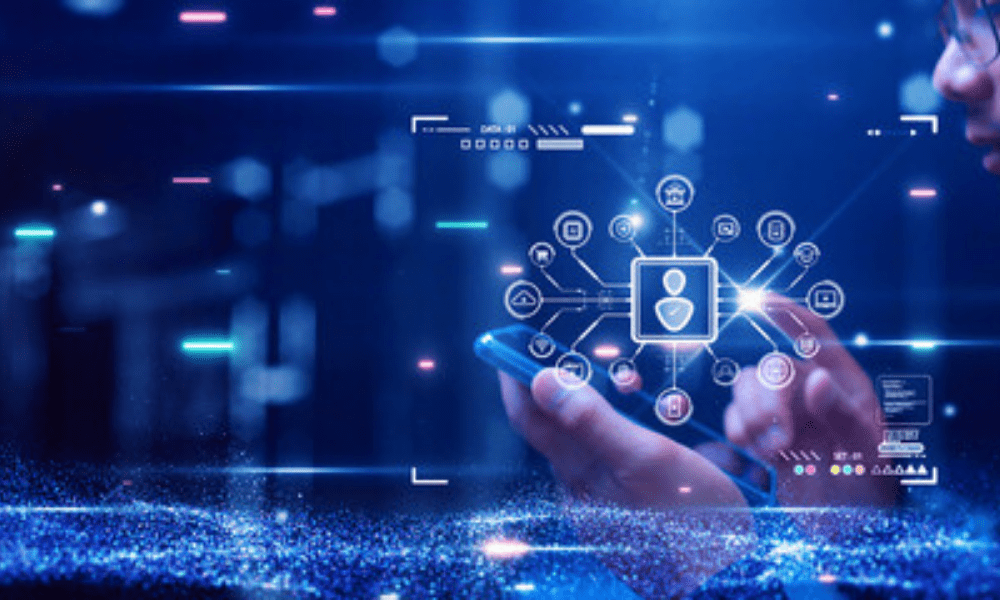
From a very young age, digital technology is becoming increasingly integrated into students' lives . Tablets , laptops, and online learning platforms are becoming essential tools in the educational toolkit. More than just a passing trend, they are profoundly transforming the way we learn and teach.
Why? Because these tools promote student autonomy personalized learning , and make information accessible to everyone, anywhere, anytime. Imagine being able to take a class from your sofa or review a lesson from a park! Physical barriers disappear.
Good to know : iPad or laptop for a student?
AI: The Professor's Unexpected Ally
Artificial intelligence doesn't just assist students; it also plays a major role for teachers. Through systems that recognize students' individual needs , AI can identify who might need extra attention or which topics require further exploration.
That's not all. AI tools can also help create educational content , make assessments more objective, and provide real-time feedback. In short, they amplify educators' capabilities rather than replace them.

The challenges to overcome
However, all is not rosy. With the emergence of this technology, ethical questions arise.
How can we guarantee the confidentiality of student data ? How can we ensure that AI does not introduce bias into assessment or teaching? Challenges remain to be addressed to ensure a harmonious and ethical integration of AI into education.
The skills of the future: Knowing how to evolve with digital technology
It is undeniable that digital literacy is becoming an essential asset in the job market. Tomorrow's students will therefore need to develop genuine digital literacy . This involves not only knowing how to use the tools, but also understanding how they work, their implications, and their limitations.
Thus, beyond traditional subjects, it becomes crucial to introduce courses on cybersecurity , digital ethics, or understanding the basics of artificial intelligence.
The role of humans in the digital age
While technology offers immense possibilities, the human factor remains central. We must not fall into the trap of seeing AI and digital solutions as miracle cures.
Empathy , creativity , and communication are inherently human and irreplaceable skills. Therefore, we believe that while digital technology and AI are powerful tools for enriching the student experience, the balance between technology and humanity will be crucial for future generations.
The future is full of exciting opportunities for students. Digital technology and AI are there to support them, guide them, and enrich their learning journey. But let's remember that these tools are at our service, not the other way around.
Keeping in mind the complementarity between man and machine, the education of tomorrow will be an adventure rich in discoveries and opportunities.