Having a high-resolution image is essential for a quality print!
What is image resolution?
Image resolution refers to its quality and, above all, its sharpness. It is given in DPI (dots per inch) or PPI (pixels per inch): this number indicates the number of pixels on a one-inch line, that is, on a line measuring exactly 2.54 cm. The more pixels there are, the smaller they are and therefore less perceptible to the eye. The image is thus sharper and of better quality.
A low image resolution can result from a photo that is too small or an insufficient original resolution. Both factors can be improved to ensure reliable printing in various formats.
Increasing the resolution with a resizer such as fr.depositphotos.com can be a solution to improve your images and allow you to print them correctly.
Why improve image resolution to optimize print quality?
Image resolution is crucial for printing. There are many good reasons to obtain a high-quality print, whether it's preserving precious personal memories or communicating professionally with impeccable materials. The number of pixels in the images will determine the maximum print size, depending on the desired quality.
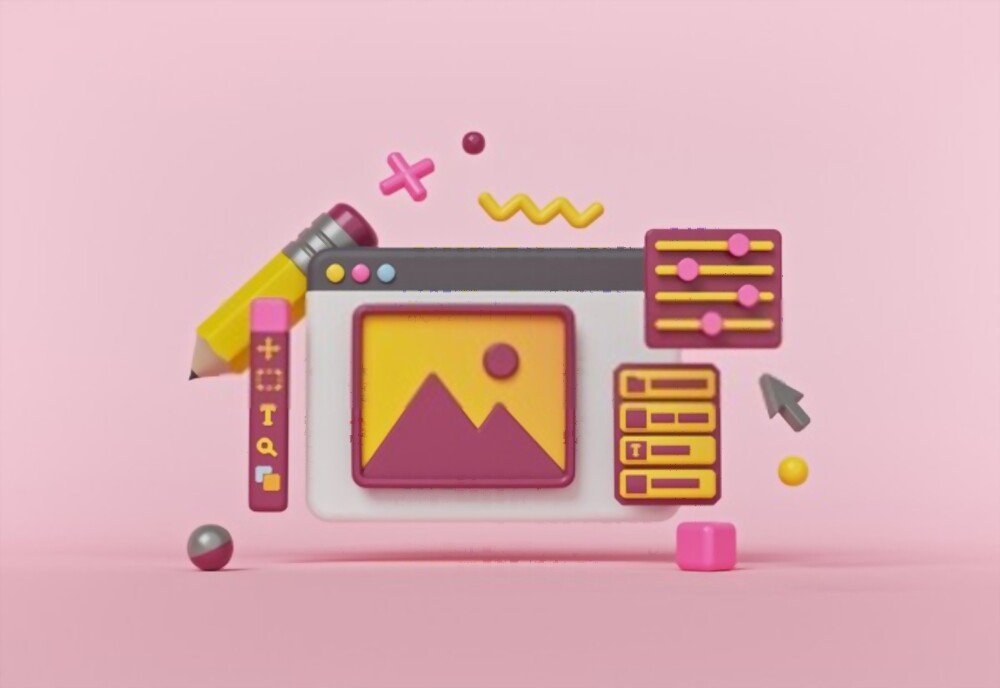
It is commonly accepted that the optimal resolution should be a maximum of 300 dpi. This was especially true before the widespread adoption of digital printing tools. However, this statement now needs to be qualified, as techniques have evolved and overlapping halftone screens are now only found in certain specific processes.
Furthermore, the viewing distance will influence the required resolution. For an image viewed up close, such as in a photo album or catalog, a resolution of 300 dpi is recommended. At this resolution, the eye cannot perceive individual pixels when the image is viewed from 25 cm away. For larger images, and therefore viewed from a greater distance, a resolution of 150 dpi is sufficient, or even 70 dpi for a 4x3 poster viewed from a distance of 5 meters.
To best combine these different criteria, there are formulas for determining the maximum print format:

- (length or width in cm x dpi) / 2.54 to obtain the dimension in pixels.
- (number of pixels / number of cm) x 2.54 to obtain the dpi
- (number of pixels / dpi) x 2.54 to obtain the number of centimeters
For example, for a 30 x 20 cm format, 8.6 megapixels are needed to achieve a quality of 300 dpi, and 1.5 megapixels for 150 dpi. If we move to a larger format of 100 x 75 cm, for example, the 150 dpi recommended by printers is obtained with 18.8 megapixels. This pixel size corresponds to the image resolution; it is the total number of pixels in the digital image format.
Thus, for example, the same image of 5616 x 3744 pixels will have a different resolution depending on its print size:
- At 72 dpi, it will measure 198.12 x 132.08 cm;
- At 144 dpi, we will reach 99.06 x 61.04 cm;
- At 300 dpi, it will be 47.55 x 31.7 cm.
For a quick, rough calculation beforehand, we can calculate the print size of the image that can be obtained with a correct result, by dividing its heights and widths in pixels by 100.
How to improve the resolution of an image?

It is possible to improve the resolution of an image so that it can be printed at the desired resolution and size. This requires resizing. This involves finding compromises between these two criteria. There are indeed no miraculous results: you cannot enlarge indefinitely without losing some sharpness, nor can you go from a very poor quality image to an extremely precise print. However, good techniques allow you to achieve perfectly acceptable results.
Using photo editing software or an online image enlarger allows you to add pixels to increase the image dimensions without significantly losing resolution, or to improve image quality without drastically enlarging it. The possibilities are numerous and can address a wide range of situations.
In conclusion, image resolution influences print quality and determines the maximum print size. While it's easier to select a high-quality, sharp image, it's possible to optimize a less-than-ideal image using appropriate technical tools. Finally, other factors such as the printing method, paper quality, and ink can also affect the quality of the final print; these must also be considered.