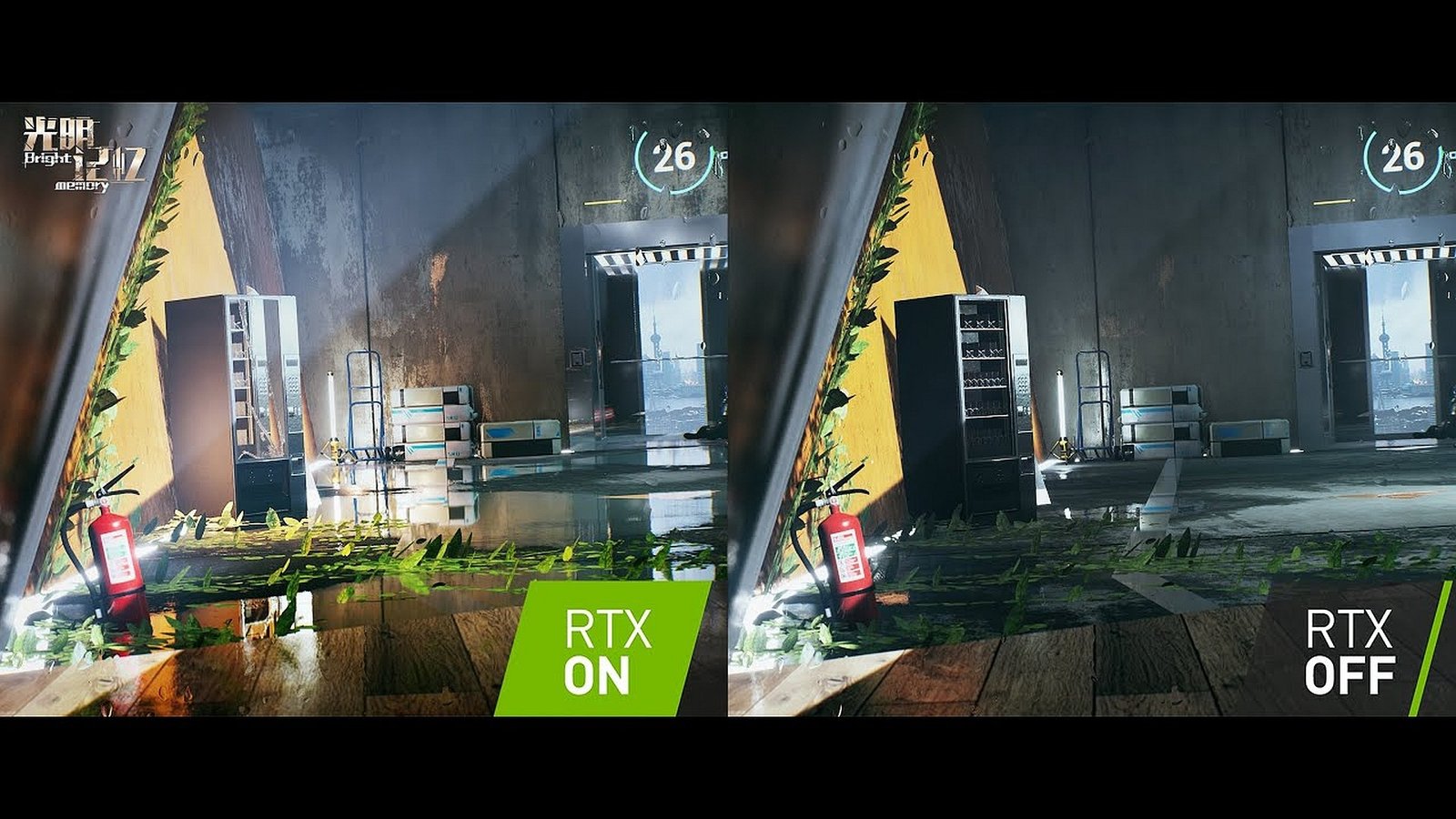
AMD's chief architect for the Gaming division, Frank Azor, promised on his Twitter account that AMD will provide details on Ray Tracing and supersampling via Artificial Intelligence: the equivalent of DLSS with Nvidia
Those in the know are waiting for more details
The presentation of the Radeon Rx 6000 series graphics cards raised some questions about the effectiveness of these latest-generation AMD cards in ray tracing and supersampling . Indeed, AMD CEO Lisa Su did not dwell on these points during her rather brief presentation. Comparative data between AMD and Nvidia cards was provided, but with ray tracing disabled—that is, with a standard output format.
The Radeon RX 6800 and RX 6800 XT will be released on November 18th. We are therefore awaiting further information from AMD regarding ray tracing and supersampling. Indeed, if AMD were to announce cards with higher performance than Nvidia's latest generation cards at a more attractive price, supporting ray tracing and supersampling with performance equivalent to that offered by AMD could make these AMD cards unbeatable. It is therefore highly recommended that benchmark data be provided for these cards with ray tracing and supersampling enabled.
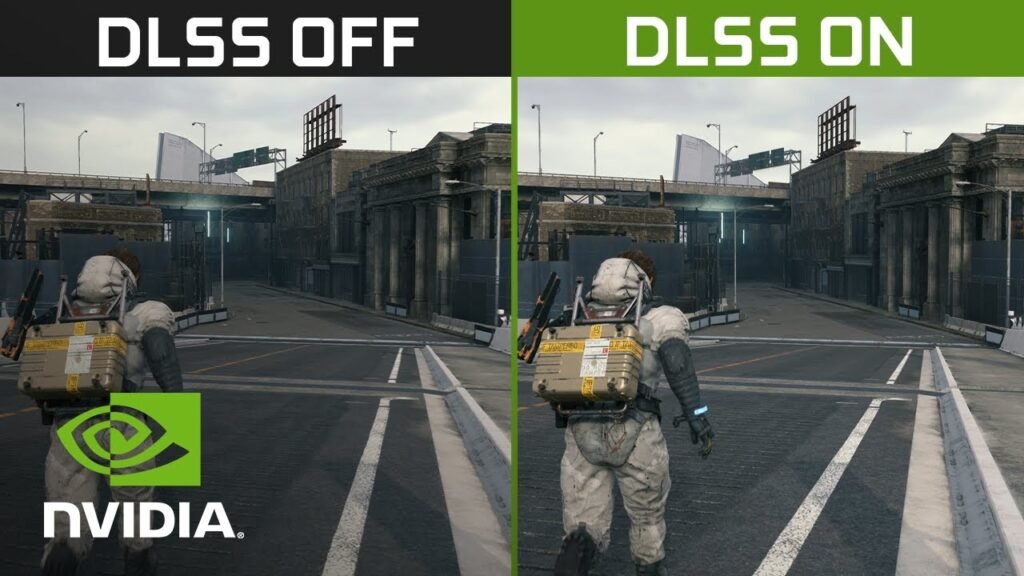
What are Ray Tracing and AI-optimized DLSS?
Ray tracing is the dynamic management of shadows created by different light sources. It allows for the production of realistic 3D scenes based on the light sources present in the field of view. Unlike traditional shadow rendering, ray tracing starts from each point in the scene to display the appropriate shadow based on the location of the light sources. Shadow rendering only affects the parts of the game visible to the player, thus avoiding GPU usage and preserving computing power for operations that truly require it. As for DLSS , or supersampling, it involves maximizing the sampling rate to provide optimal image rendering and more efficient ray tracing.
What other technologies are supported on AMD cards?
AMD graphics cards support the DirectX 12 Ultimate . This API provides a unified interface for managing ray tracing across various manufacturers such as Nvidia, AMD, and Intel. It improves Variable Rate Shading (VRS), Sampler Feedback, and Mesh Shaders. DirectX 12 Ultimate also allows for easy management of RTX, which can be enabled in the latest games. Indeed, with DirectX Ray Tracing version 1.1 (DXR 1.1), video game developers can more easily implement ray tracing. The new AMD cards based on the RDNA2 architecture support this feature and deliver realistic graphics in terms of lighting, reflections, and shadow effects.

AMD cards also utilize AMD FidelityFX . This toolkit enables exceptional post-processing visual quality, resulting in intense and breathtaking gaming experiences. As for VRS ( Variable Refresh Rate), it optimizes shading by only providing high-detail shading at the center of interest. This prevents excessive GPU processing time, making it less power-hungry.
The public is eagerly awaiting the details that AMD will provide in the coming days regarding Ray Tracing and supersampling. We would like to see benchmark with these features enabled, if possible.