A German computer scientist has just discovered a bug in the HDMI 2.1 . This bug is located in the chipset of devices that have this interface.
What is the HDMI 2.1 standard?
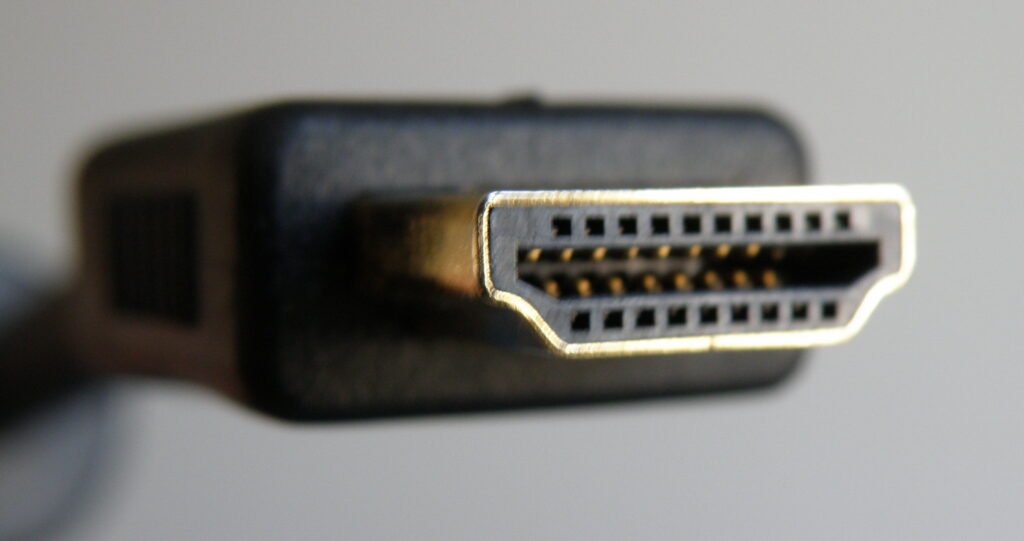
HDMI connectors are increasingly used because they can transmit very high-resolution video data. As its name suggests, it is a High Definition Multimedia Interface. With the HDMI 2.1 standard, video and audio streams can reach speeds of up to 48 Gbps, whereas connectors using the previous 2.0 standard only supported a maximum speed of 18 Gbps. With this 2.1 standard, the resolution can reach 4K with a refresh rate of 120 frames per second or 8K at 60 frames per second. The maximum resolution supported for HDMI 2.0 is 4K at 60 Hz.
What is this bug in HDMI 2.1?
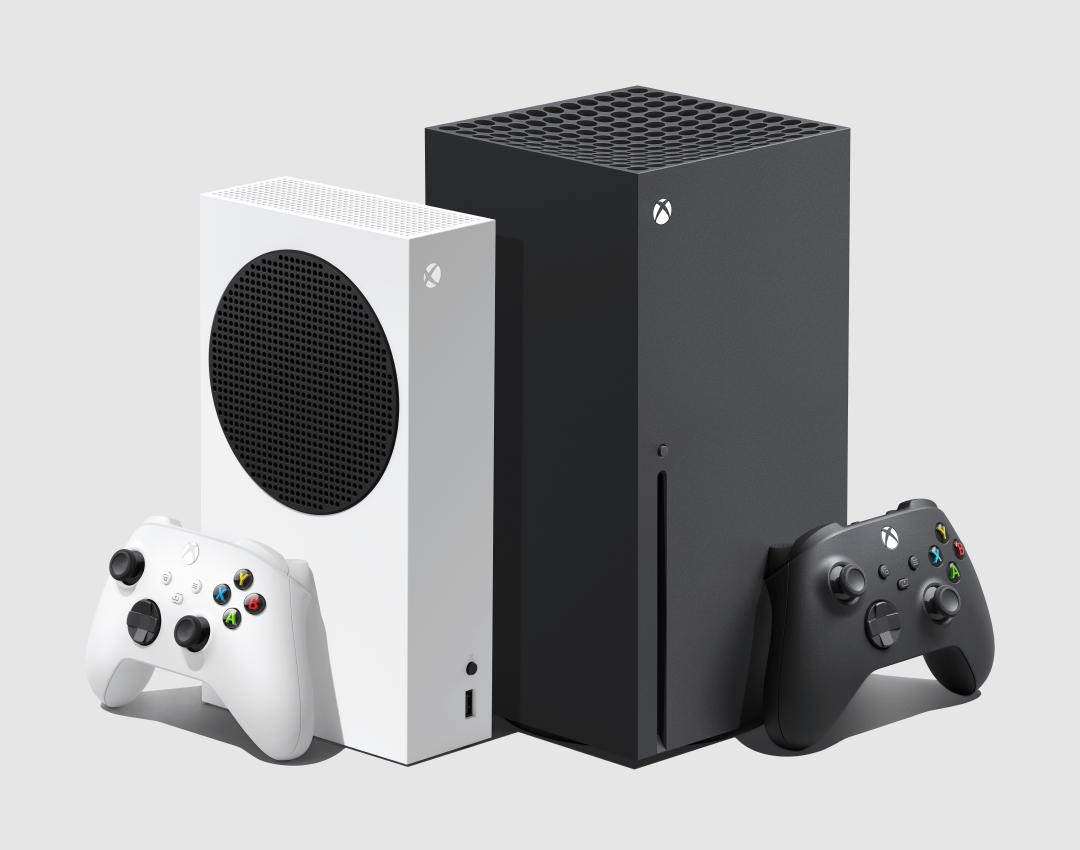
Xbox Series X consoles and some devices with an Nvidia graphics card. The bug lies in how some manufacturers implement the HDMI 2.1 standard. It specifically affects audio-video chipsets supplied by Panasonic . Various manufacturers use these chipsets in their interfaces, including Yamaha, Marantz, and Denon. This bug can occur when using 4K resolution at 120 Hz or 8K resolution at 60 Hz with HDR enabled.
Good to know: If you're looking for a 120Hz screen for console gaming, check out our article on the best 4K 120Hz screens for PS5 !
Panasonic is currently looking into this. Yamaha is also working on it and states that its teams are exploring all the possibilities of the HDMI 2.1 standard and various gaming systems. Yamaha has promised to subsequently provide guidance and updates to its customers who use its AV receivers.
Are there any short-term solutions?
Sound United has informed its customers that game consoles equipped with Denon or Marantz AVRs using 4K resolution at a 120Hz refresh rate may experience audio/video transmission issues. This problem stems from an incompatibility between the devices and the HDMI 2.1 chipset. Sound United states that the issue does not occur if the refresh rate is not set to 120Hz for 4K output. Sound United is offering temporary workarounds while a more permanent solution is being developed. The first workaround involves using the display's ARC/eARC functionality to send audio via the HDMI interface. In this case, the CEC/ARC option must be enabled in addition to the AVR's HDMI control on the display.
The second solution is to use a 60 Hz refresh rate 4K resolution instead of 120 Hz. The default refresh rate for 4K resolution is 60 Hz. Therefore, if the user hasn't changed the default settings, they shouldn't encounter any problems.
The implementation of new standards in devices and connectors can sometimes introduce bugs. Manufacturers will provide new patches and updates to eliminate them.